Air conditioning and heat pump filter cleaning frequency: everything you need to know
4 min read
In today's world, the importance of clean air and optimal thermal comfort has never been more crucial. With the rise in environmental concerns and the need to save energy, air conditioning systems and heat pumps are becoming essential solutions. However, these devices, to function efficiently, require some maintenance, notably cleaning their filters. So, how often should you perform this maintenance to ensure optimal efficiency throughout the year? This article guides you through the essential steps and best practices to follow.
The importance of cleaning air conditioning and heat pump filters
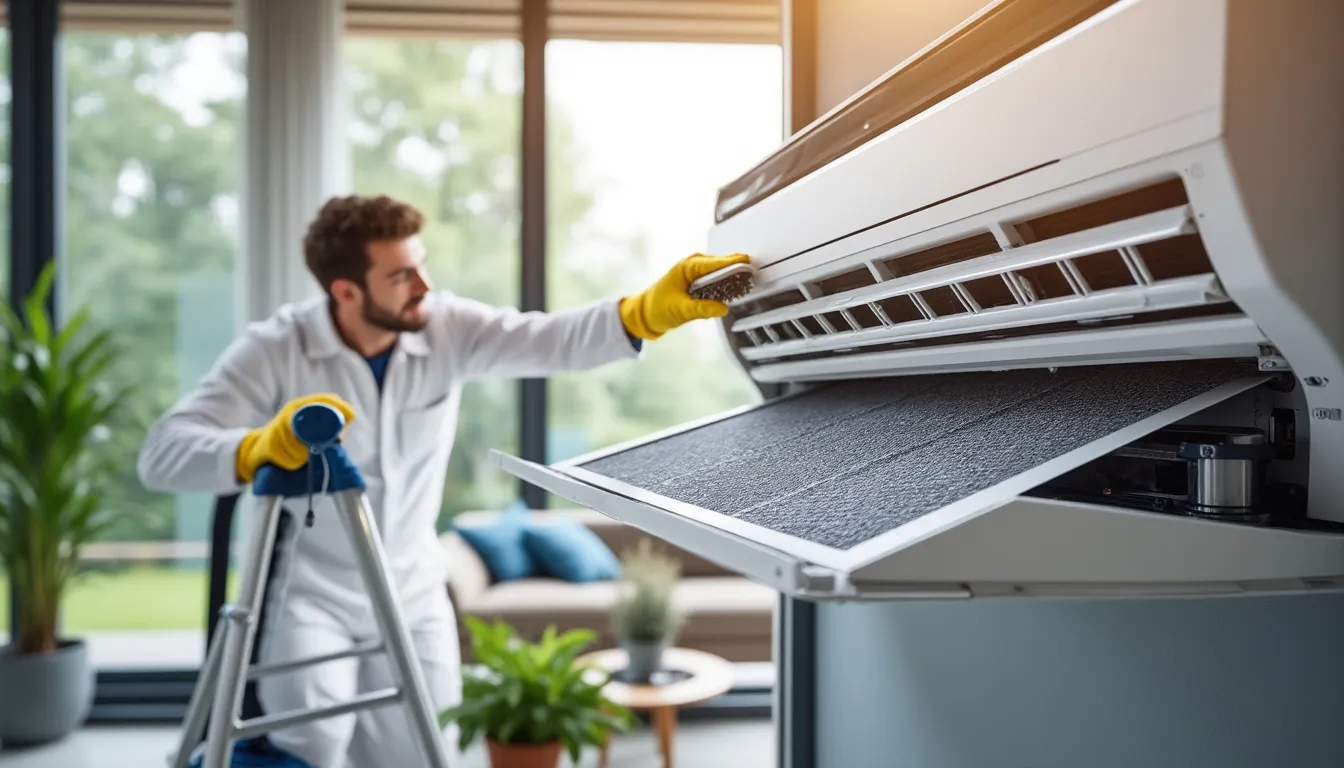
Whether it is an air conditioning system or a heat pump, the durability and proper functioning of these devices greatly depend on the condition of their filters. These components play a crucial role in capturing dust, allergens, and other impurities present in the air. When they get clogged, they not only reduce the energy efficiency of the device but can also lead to a significant increase in your energy bill.
A clogged filter obstructs airflow, causes excessive energy consumption, and can even lead to breakdowns. Therefore, maintaining these filters in good condition is essential to ensure optimal performance, prolong the lifespan of your equipment, and guarantee clean air in your home.
Impact of a poorly functioning filter on energy efficiency
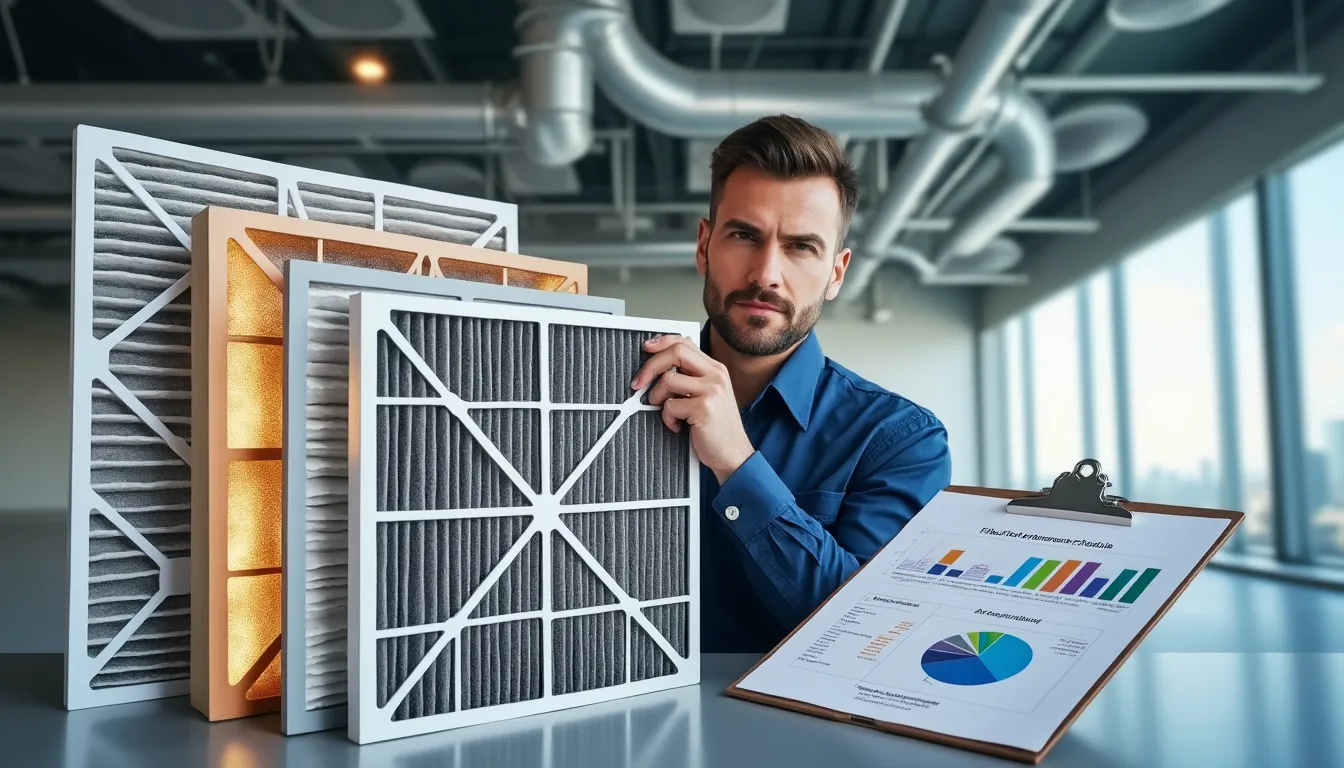
When filters are blocked, heat pumps and air conditioning systems have to work significantly harder to draw in and cool or heat the air, leading to:
Increased energy consumption
Premature wear of the device components
Lower indoor air quality, which may trigger various allergies
In 2025, with rising energy costs, every action counts. Hence, keeping filters clean is a simple yet crucial intervention to save energy while ensuring indoor comfort. Here are some statistics to consider: a clogged filter can increase the energy consumption of an air conditioning system by up to 15%.
Cleaning frequency of filters: how often?
The frequency at which you should clean your air conditioning system or heat pump depends on several factors. That is why it is essential to understand the specific needs of your equipment and the environment in which it operates.
Generally, the standard recommendation is to perform cleaning every three months. However, if you use the device intensively or if you live in a particularly dusty area, needs may vary.
Type of equipment | Recommended cleaning frequency | Additional notes |
|---|---|---|
Heat pump | Every 3 months | Monthly if used intensively or in polluted environments |
Air conditioning | Every 3 months | Monthly cleaning during peak use |
Necessary tools for effective cleaning
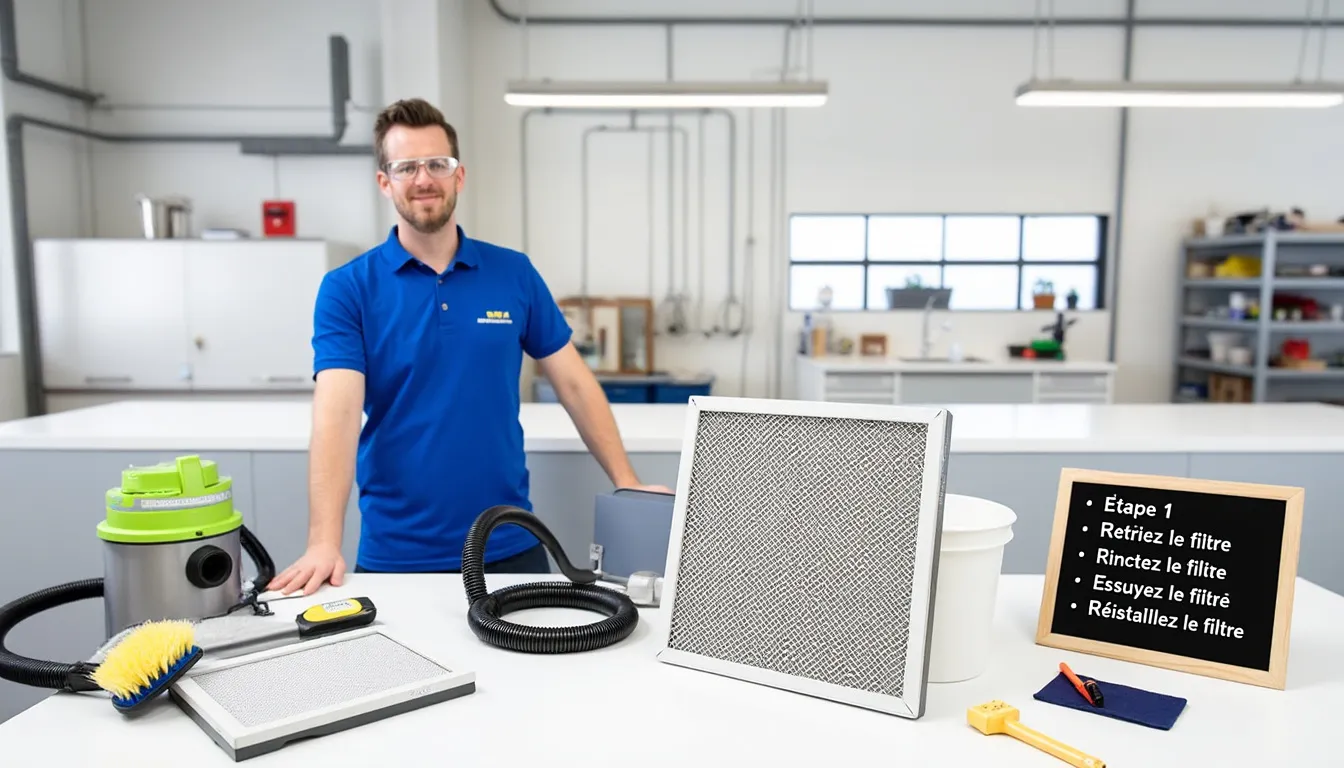
Before you start cleaning, it is essential to gather all necessary materials:
A vacuum cleaner with a soft brush
A clean, soft cloth
Warm water
Mild soap (optional)
A soft-bristled brush
These few tools will enable you to successfully maintain your filters. Having a cleaning kit on hand can make this task less cumbersome and more systematic.
Steps to clean your heat pump or air conditioner filter
Here are the steps to follow for thorough and safe cleaning:
Turn off the device: This avoids any risk of electrocution or damage.
Locate the filter: Consult the user manual for the precise location of the filter.
Remove the filter: Gently open the access panel and remove the filter.
Vacuum the particles: Use the vacuum cleaner with a soft brush to remove debris.
Wash the filter (if applicable): Rinse it with warm water, adding mild soap if necessary.
Dry the filter: Allow it to dry completely to prevent mold formation.
Reinstall the filter: Place the filter back, ensuring it is properly positioned.
Restart: Turn the device back on and check its operation.
These simple steps will allow you to effectively maintain your equipment and enjoy optimal air conditioning.
Additional tips to ensure the longevity of your equipment
Beyond regular cleaning, here are some suggestions to keep your system in good condition:
Always check the user manual: Each model has its specifics for cleaning.
Consider replacing the filters: Filters should be replaced every 1 to 2 years, according to the manufacturer's recommendations.
Hire a professional: Annual maintenance by a qualified technician is highly recommended.
Advanced maintenance and other considerations
The maintenance of your heat pump or air conditioner goes beyond simple filter cleanings. Other components also require special attention to optimize the energy efficiency of your system.
For example, the maintenance of the refrigerant and the evaporator coils is crucial. Insufficient refrigerant or a buildup of dirt on the coils can impair the overall performance of the system.
Component | Maintenance frequency | Practical suggestions |
|---|---|---|
Evaporator coils | Each season | Cleaning with a soft brush or a specific product |
Refrigerant level | Annual | Check by a professional |
The benefits of regular maintenance
By establishing a maintenance routine, you will enjoy several benefits:
Better energy efficiency which translates into savings on your electricity bills.
Increased longevity of your equipment, delaying its replacement.
Purer indoor air, reducing the risk of allergies.
FAQ - Frequently asked questions about cleaning air conditioning and heat pump filters
1. What is the recommended frequency for cleaning filters?
It is generally advised to clean the filters every three months. However, if your usage is intensive or if you live in a dusty environment, monthly cleaning may be necessary.
2. What tools should I use for cleaning?
For effective cleaning, you will need a vacuum cleaner with a soft brush, a clean cloth, warm water, mild soap, and a soft-bristled brush.
3. What should I do if the filter is very dirty?
If the filter is too dirty, it may require washing with soapy water after an initial vacuuming. Be sure to let it dry completely before reinstalling it.
4. Should I replace my filter?
Yes, even with regular maintenance, filters should be replaced every 1 to 2 years, according to the manufacturer's recommendations.
5. Why is professional maintenance necessary?
A qualified technician can identify underlying issues and ensure that all components of your system are functioning correctly, thus avoiding potential breakdowns.