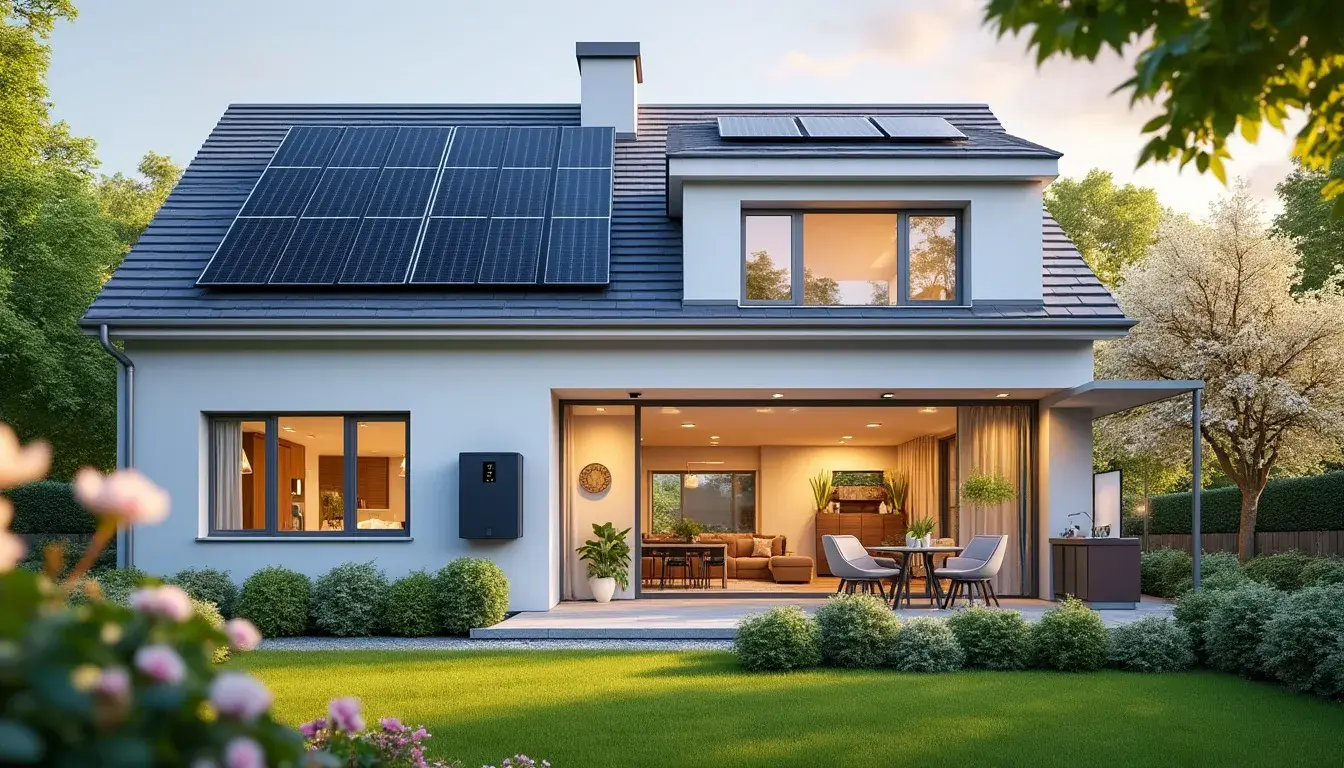
What are the municipal aids for the energy renovation of heating in 2025?
5 min read
The energy transition is more than ever at the heart of concerns for French households. In 2025, the necessity of renovating one's heating system is asserted as a crucial issue, both for thermal comfort and for reducing energy bills. If you are a homeowner or resident in a property built over 15 years ago, you may have wondered what financial assistance is available to undertake energy renovation work. From state initiatives to local aids, several options are available to you. This article aims to provide an overview of these municipal aids to guide you in this essential process.
Overview of financial aids for energy renovation in 2025
The landscape of financial aids for energy renovation work has significantly enriched in recent years. From state initiatives to local aids, there are several types of support that can be mobilized. In particular, MaPrimeRénov, the zero-interest eco-loan, and various aids offered by local and municipal communities should be considered. Let’s analyze these schemes in detail.

MaPrimeRénov: an essential boost
Without a doubt, the MaPrimeRénov scheme is essential for homeowners looking to improve the energy efficiency of their home. Launched in 2020, this aid, managed by ANAH, is aimed at all homeowners, whether they occupy their home or not. In 2025, it is available in two pathways:
Pathway by gesture: for undertaking specific work such as the installation of a heat pump or the replacement of boilers.
Accompanied pathway: intended for large-scale projects allowing a leap of at least two energy classes.
It is important to note that to benefit from this aid, you must hire certified RGE professionals (Recognized Guarantee of the Environment). In 2025, aids for the installation of heat pumps can reach up to €5,000 for low-income households.
Zero-interest eco-loan: a flexible solution
The zero-interest eco-loan (éco-PTZ) is another essential aid to finance your energy renovation work. It allows you to obtain an interest-free loan, up to a maximum of €50,000, for various types of work: from insulation to bringing your heating system up to standard.
To benefit, you must meet certain eligibility criteria:
Be an owner-occupant or landlord of a property built for more than two years.
The work must be carried out by an RGE company.
This loan can also be combined with MaPrimeRénov, which maximizes your purchasing power for renovations.
Type of work | Maximum amount of eco-PTZ |
|---|---|
Insulation (glazed surfaces) | €7,000 |
Other types of work | €15,000 |
Package of two works | €25,000 |
Package of three works or more | €30,000 |
Energy bonuses and other support
In addition to MaPrimeRénov and the eco-PTZ, there are other forms of bonuses, such as the CEE bonus (Energy Savings Certificates). Offered by energy suppliers, it encourages households to undertake energy improvement work. This bonus can take the form of incentives called Kickback, which specifically target certain jobs, such as the installation of a heat pump, for which you can obtain up to €4,000 for low-income households.
To facilitate the search for aids, companies such as Cofi énergie or Edenred specialize in assisting households in their financing procedures.
Municipal and regional aids: focus on local initiatives
Local authorities play a fundamental role in establishing additional aids at the local level. In 2025, many municipalities, especially those in large urban areas like Lyon or Grenoble, offer incentives to encourage energy renovation. These aids can manifest as grants, low-interest loans, or personalized support.
Municipal initiatives
Municipal aids are diverse and often tailored to local needs. Here are some examples:
Direct subsidy: Some cities offer financial support for eligible work.
Low-interest loan: Loans specifically dedicated to energy renovation are offered under favorable conditions.
Support: Some municipalities implement personalized support measures to help homeowners realize their projects.
These aids can complement schemes such as Réno'Vert, a regional label that rewards initiatives in favor of the environment by providing financial support for renovation work.
City | Type of aid | Maximum amount |
|---|---|---|
Lyon | Subsidy for insulation | €2,000 |
Grenoble | Low-interest loan | €10,000 |
Bordeaux | Aid for PAC installation | €4,500 |
Collaborations with specialized organizations
To implement these measures, some municipalities collaborate with associations or specialized organizations, such as the Society for Sustainable Heating or the Syndicate of Renewable Energies, to ensure monitoring and guarantee the quality of the work carried out. These partnerships help maximize the impact of aids by promoting responsible practices.
Specific funding from the CAF and other organizations
Another aid to consider for financing your renovation work is that provided by the Family Allowance Fund (CAF). Depending on your resources, the CAF may contribute to renovation projects, especially for low-income families. The aids may vary, so do not hesitate to inquire directly with your local CAF.
Other schemes like the TPE rénovation energy program also offer financing solutions to help small and very small businesses undertake energy renovations, thereby allowing for a reduced energy footprint.
Eligibility criteria and steps to follow
Before starting your work, it is wise to check the eligibility criteria related to each aid. Here are the steps to follow:
Identify the aids available in your municipality through your town hall or your ADIL (Departmental Agency for Housing Information).
Consult the specific eligibility criteria (type of housing, income conditions, etc.).
Prepare a complete file if necessary, including estimates, plans, and financial documents.
Contact RGE companies to start your work.
Each aid may require a different approach, and informing yourself through official sites or local platforms is essential to optimize your chances of obtaining funding.
Frequently asked questions about energy renovation aids
Many homeowners have questions regarding the aids available to finance their energy renovation project. Here are some of the most common questions and their answers.
What local aids are available?
Local aids vary by municipality. Generally, they may include grants, low-interest loans, and assistance in providing materials or labor for energy renovation projects. It is advisable to consult your town hall for specific information.
Can I combine multiple aids?
Yes, it is often possible to combine MaPrimeRénov', the zero-interest eco-loan, and local aids. Check the criteria of each scheme to maximize your funding.
What should I do if my CEE Bonus application is rejected?
If rejected, you can submit a new application ensuring that all eligibility criteria are met. You also have the option of consulting a specialized advisor to assist you in your approach.
What works are eligible for aids?
Insulation work, replacement of heating systems, installation of solar panels, and other energy performance improvements are among the eligible projects. Be sure to check the list of works approved by the relevant organization.
Who should I contact for more information about the aids?
You can contact your town hall, your ADIL, or online platforms dedicated to this purpose, such as France Rénov, for detailed information and clarification on the available aids.
In 2025, engaging in energy renovation work becomes more accessible thanks to the multitude of aids. Gather information, prepare your project, and act for a more sustainable habitat!