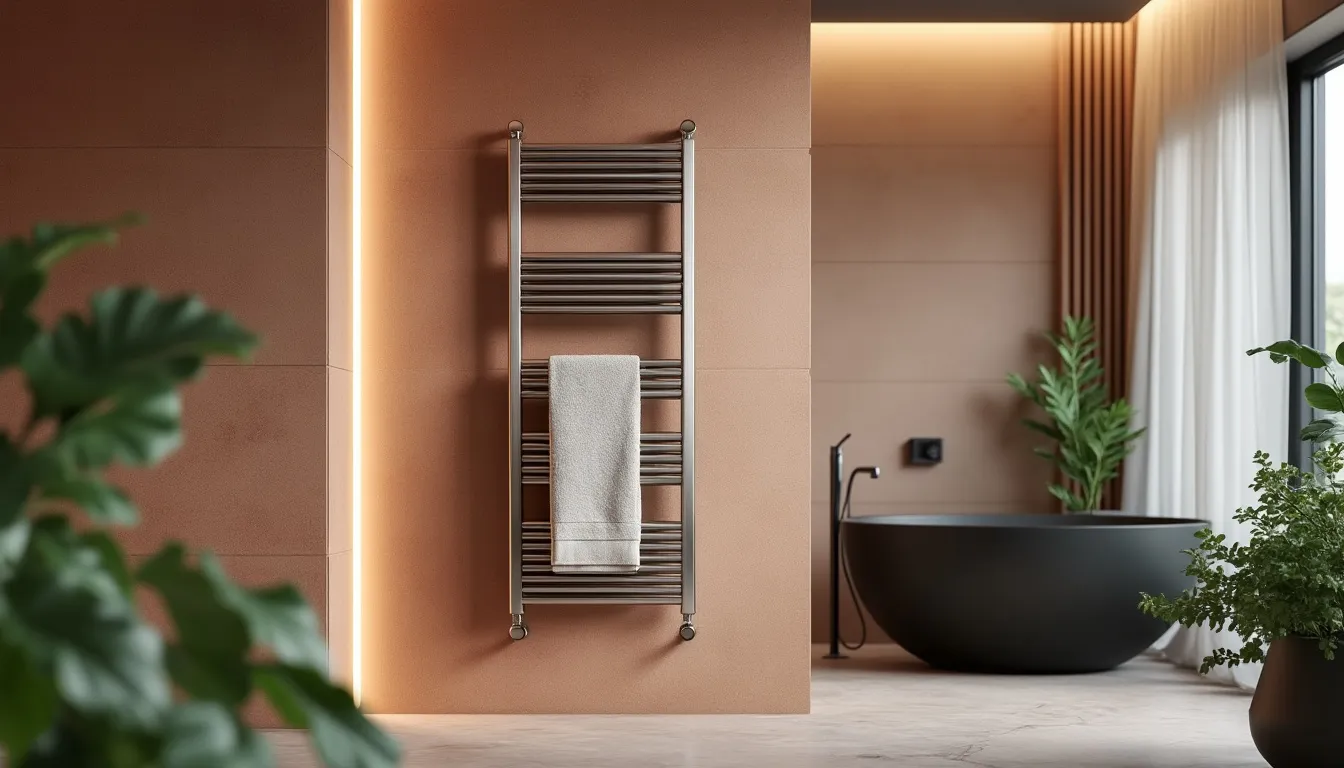
Economic towel radiator: a smart choice for the bathroom in 2025
6 min read
Every winter morning, there is nothing more unpleasant than grabbing a cold towel after a refreshing shower. A good towel radiator is therefore not just an accessory in your bathroom; it has become an essential element to improve our daily comfort. In a constantly evolving market, with an ever-expanding choice of models, choosing the right radiator can be a real challenge. This article offers you a comprehensive guide to help you select the towel radiator that best suits your needs and budget in 2025.
Discovering the different types of towel radiators
The first step in choosing an effective towel radiator is to familiarize yourself with the various options available to you. Each type of radiator has its advantages and disadvantages, and it is essential to evaluate each based on your current setup, budget, and energy priorities.
Electric towel radiators
Electric radiators are known for their ease of installation and affordable initial cost. They are the ideal option for bathrooms without a connection to a central heating system. However, their energy footprint may be higher, which directly impacts your electricity bills. Here is an overview of the technologies available:
Inertia radiators: These models store heat to gradually release it, providing soft and uniform warmth. Materials like stone or cast iron are often used to optimize thermal inertia.
Heat transfer fluid radiators: Equipped with a fluid that heats quickly, they ensure efficient heat diffusion in the room.
Electric resistance radiators: Simple in operation, they heat the air using an electric resistance. More affordable but less energy-efficient.
Infrared radiators: Directly targeting objects and people, they provide immediate warmth but raise the ambient air less.
Mixed (hydraulic) towel radiators
Mixed models, also known as hydraulic radiators, integrate seamlessly into a central heating system. They derive their efficiency from hot water circulating through pipes, allowing for long-term energy savings. Generally, their installation is more complex and requires the intervention of a professional. They come in two types:
Hot water radiators: Function solely using hot water from the central heating circuit. They provide soft and uniform warmth.
Mixed radiators (hot water/electricity): Combining a hot water system and electric resistance, these models offer flexibility and comfort.
Solar hot water towel radiators
For environmentally conscious individuals, solar hot water radiators represent a sustainable option. They harness solar energy to heat water, thereby reducing your carbon footprint. However, the initial cost can be high, and a solar panel system must be installed for full benefit.
Here is a comparative table of the different types of towel radiators:
Type | Price (estimate) | Installation | Energy Consumption | Maintenance | Estimated Lifespan |
|---|---|---|---|---|---|
Electric (simple) | €50 - €200 | Easy (DIY possible) | High | Easy | 10-15 years |
Electric (high performance) | €200 - €500 | Easy (DIY possible) | Moderate | Easy | 15-20 years |
Mixed (hydraulic) | €150 - €400 | Medium (professional recommended) | Low | Moderate | 20-25 years |
Solar | €500 - €1500 + cost of solar panels | High (professional required) | Very Low | Moderate | 20-30 years |
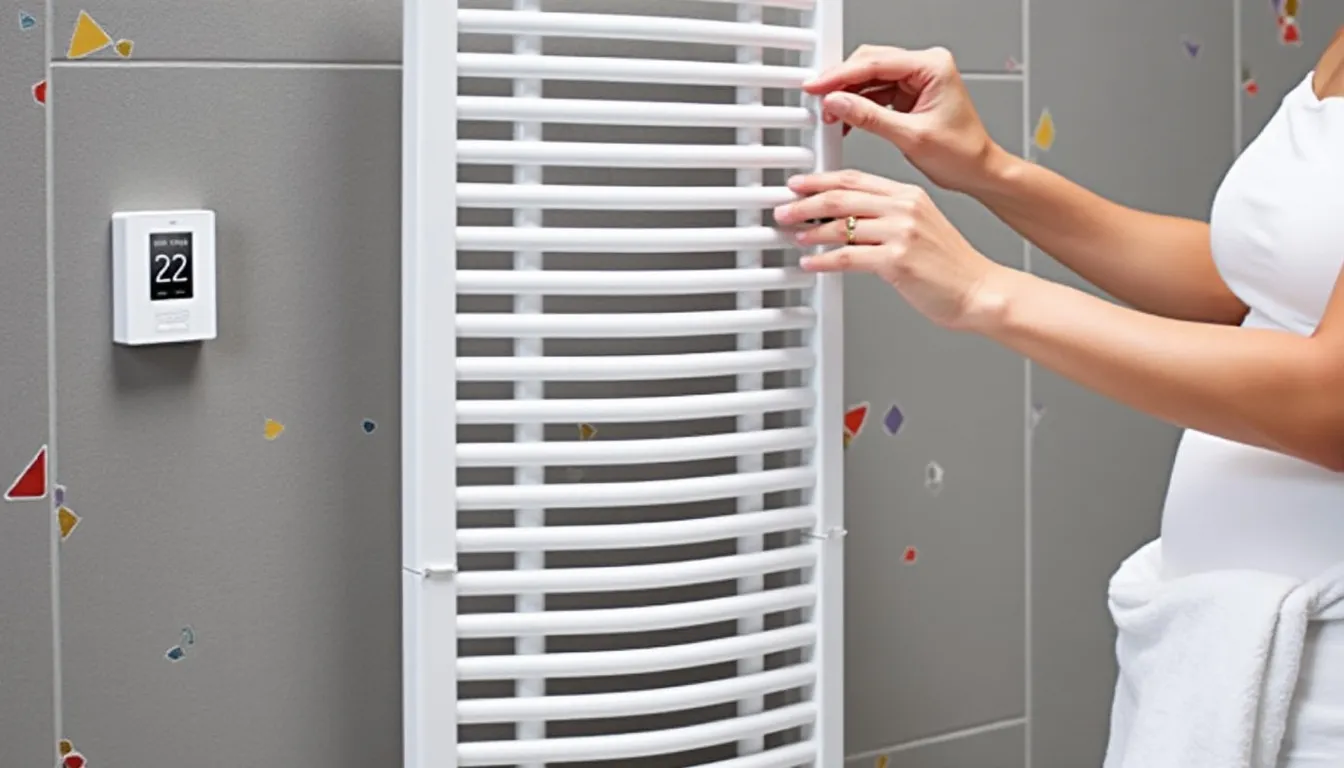
Choosing a towel radiator: beyond design
Good design is essential, of course, but it is not the only criterion to consider when making a wise choice. Efficiency, durability, and practical features of a radiator are just as important. The necessary power to heat your bathroom must be calculated carefully.
Power and sizing: assessing your needs
The heating capacity of a radiator is measured in Watts (W). It is crucial not to choose an undersized or oversized radiator. An undersized radiator will fail to heat the room effectively, while an oversized model will unnecessarily increase your energy bills. To calculate the required power, you must consider several factors:
The area of the room (in m²)
The ceiling height (in meters)
The insulation of the bathroom (good, average, or poor)
The desired temperature level
For a bathroom of 6 m² with average insulation, for example, aiming for a power of 750 to 1000 W may be adequate. For larger or less well-insulated rooms, a higher power should be considered.
Materials and finishes: balancing durability and aesthetics
The choice of materials and finishes will also significantly impact the durability and aesthetics of your radiator. For example:
Steel: known for its robustness and value for money.
Aluminum: excellent thermal conductor but may be less resistant to impacts.
Cast iron: although heavier, it is famous for its longevity and ability to store heat.
Finishes, such as epoxy paint, not only protect against corrosion but also offer a wide range of colors to match your decor.
Features and options: maximize comfort and energy efficiency
Daily comfort can be enhanced through several useful features. Here are some options to consider:
Electronic thermostat: allows precise programming of the desired temperature at specified times.
Weekly timer: offers more flexibility depending on your schedule.
Timer: sets a duration of operation, useful if you need a quick heat boost.
Towel warmer with blower: this option speeds up the drying of towels.
To ensure your safety, choose a model with protective devices such as an overheat protection and an overload system.
Evaluating the budget: beyond the purchase price
When considering the purchase of a radiator, the initial cost is just one of the factors to consider. In addition to the purchase price, other expenses must also be taken into account:
Installation cost (especially for mixed or solar models, which may be more complex)
Long-term energy costs, as a more expensive radiator to purchase may save more money over time due to improved consumption.
In general, a simple electric radiator will have prices between €50 and €200, while a high-end mixed model can cost up to €800. For solar systems, expect an initial investment of around €1000 for a standard installation.
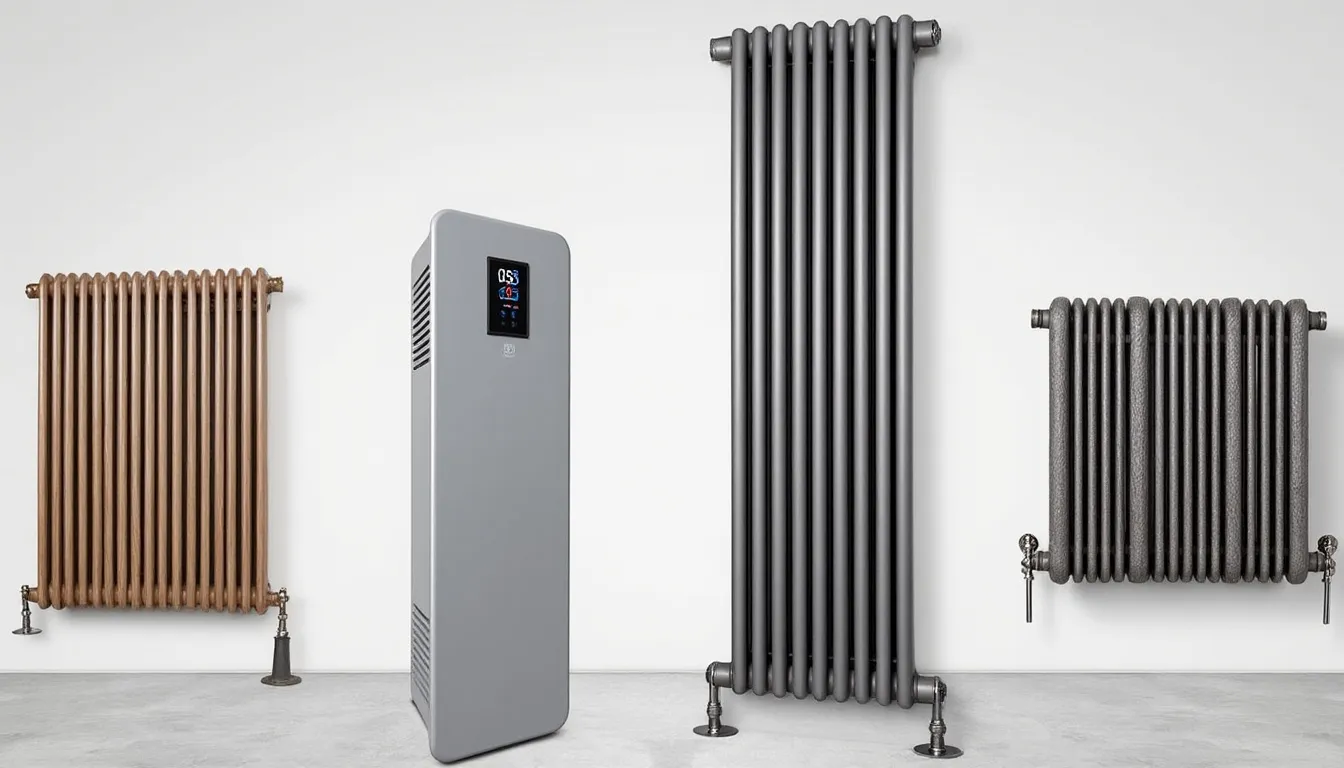
Installation and maintenance of the towel radiator
A careful installation and regular maintenance are key to ensuring the good performance and longevity of your radiator. Let’s take a closer look at these crucial aspects.
Installation: calling on a professional
Installing an electric radiator can often be done as a DIY project, but it is essential to comply with electrical safety standards. However, the installation of mixed or solar radiators will require the expertise of a qualified professional. This ensures that the device is installed in accordance with regulations and operates safely.
Maintenance: preserving efficiency
Regular maintenance of your radiator is essential to prolong its lifespan and optimize its efficiency. Generally, periodic cleaning with a damp cloth is sufficient. For hydraulic models, it is important to purge the circuit to remove any impurities and avoid water circulation problems. In case of a problem, contacting a professional is recommended, as they will be able to carry out troubleshooting adequately.
Incorporating simple maintenance practices can extend the longevity of your equipment by several years, thus saving you from costly repairs.
Frequently asked questions about towel radiators
Here are some common questions you may have about towel radiators:
What is the difference between an electric radiator and a mixed model?
The main difference lies in their mode of operation. Electric models operate independently of a central heating system, while mixed models can be connected to the latter, offering more flexibility.Are solar hot water radiators really economical?
Yes, in the long term, they help reduce energy bills and are environmentally friendly, although their initial cost is high.How do I calculate the power needed for my radiator?
You need to consider the area of the room, the ceiling height, the level of insulation, and the desired temperature to obtain the adequate power.
By taking into account all this information and criteria, you will be able to choose the towel radiator that best meets your needs, while combining comfort, performance, and energy savings. Investing in a good radiator is essential for your well-being as well as for reducing your energy footprint. If you have any other questions, do not hesitate to contact experts in the field.