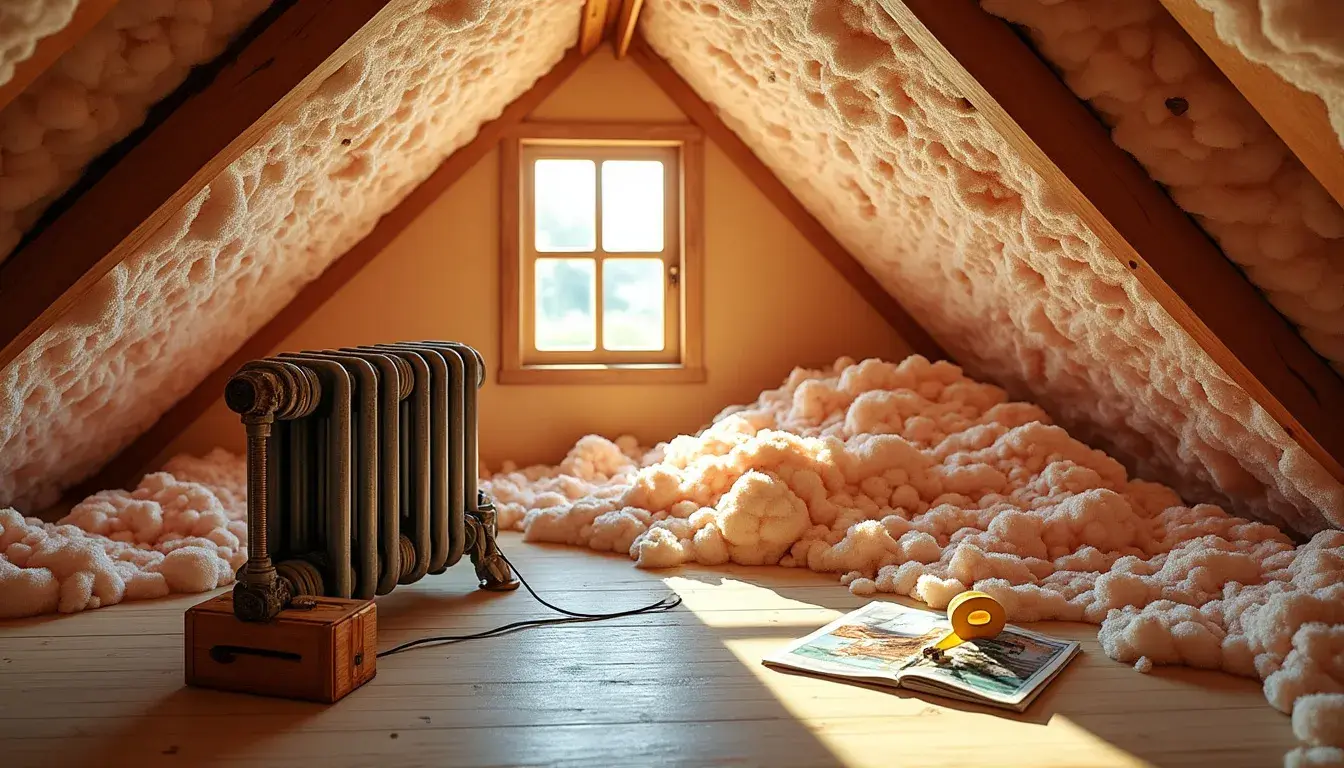
Attic insulation: why it is essential before changing your heating system?
4 min read
Attic insulation is a topic that is often discussed, but rarely in a way that highlights its crucial importance in the energy transition and energy savings. At a time when every cent counts in our heating bills, it is fundamental to question the impact of good insulation before considering changing your heating system. Not only does this help optimize the energy performance of your home, but it also lays the foundations for a sustainable and environmentally friendly approach. Let me guide you through the world of attic insulation and discover why it is an essential step before making any decisions regarding your heating.
The foundations of attic insulation
Let's start at the beginning: what is attic insulation? It is a process aimed at reducing heat loss in your home through the roof. About 30% of the heat in a house can escape through poorly insulated attics, which represents a significant energy loss. This is where the importance of good insulation becomes evident.
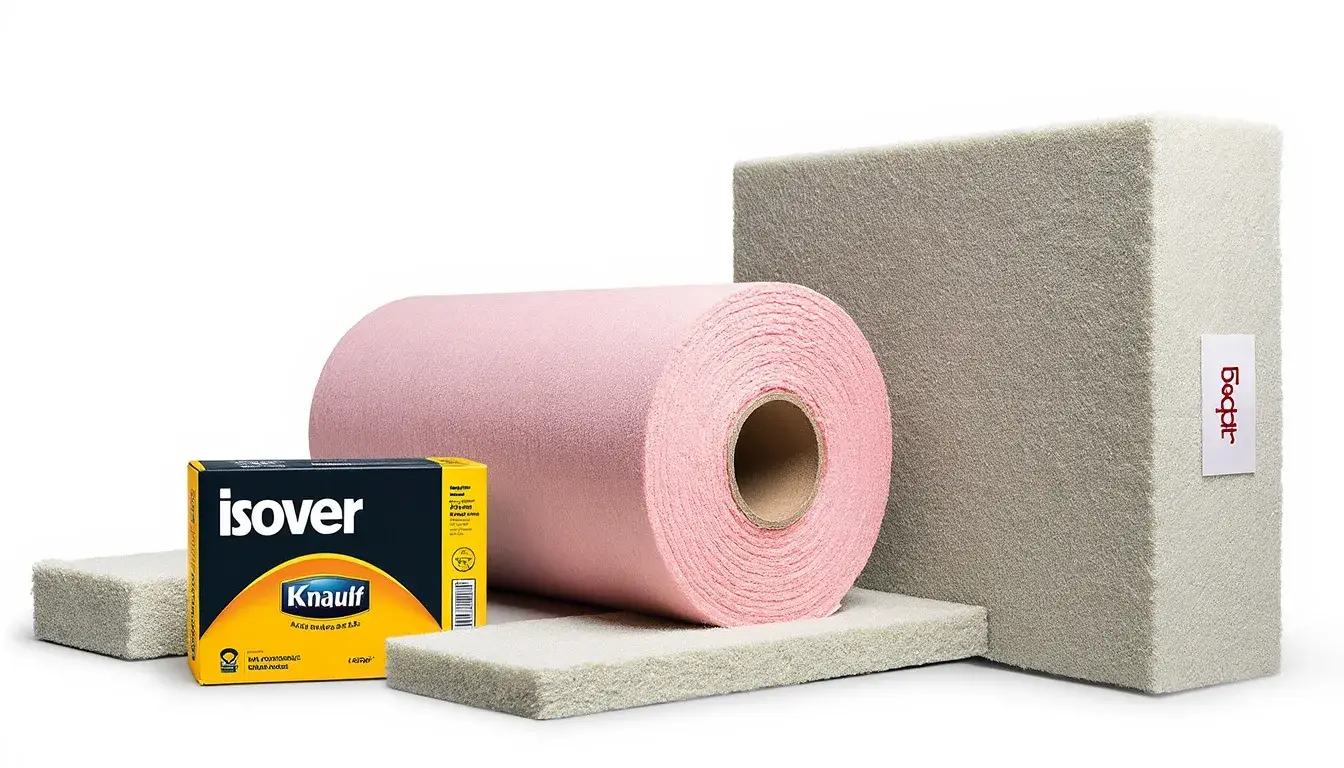
Several insulating materials are available on the market, each having its specifics. Among the reputable brands are Isover, Knauf Insulation, and Rockwool, each offering products suited to different types of insulation projects. Eco-friendly insulators, such as those offered by URSA and Groupe Berkem, are also appealing options for those looking for sustainable solutions.
The benefits of good attic insulation
Having well-insulated attics offers numerous advantages for the homeowner:
Energy savings: reducing the heating bill is one of the main benefits.
Thermal comfort: good insulation helps maintain a stable temperature throughout the house.
Increased property value: a well-insulated home is more attractive on the real estate market.
Environmentally friendly: decreasing energy consumption helps reduce carbon footprint.
It is now possible to go beyond standards with insulators such as OptiMiser, which offer top-notch performance while being planet-friendly.
When to consider changing your heating system?
Before embarking on a change in heating system, reflecting on the state of your insulation is crucial. Why? Because a heating system, even very efficient, will not yield the expected results in a poorly insulated home. New heating technologies such as high-efficiency boilers, combined solar heating, or modern design radiators are better integrated into an environment where insulation is optimized.
Type of heating | Energy efficiency | Approximate installation cost |
|---|---|---|
Gas boiler | Up to 90% | 4000 - 7500€ |
Electric heating | Varies greatly depending on the equipment | 2000 - 5000€ |
Combined solar heating | Up to 85% | 8000 - 12000€ |
Assessing these figures before changing systems will allow you to optimize your long-term investment. In 2025, funding mechanisms for energy renovations continue to be a driving force for those looking to invest in sustainable and efficient solutions.
The importance of the interaction between heating and insulation
Understanding that heating and insulation are interdependent is essential. Here are a few points to consider:
A high-performing heating system must be paired with quality insulation to maximize its efficiency.
Heating and insulation should be chosen together during renovations to avoid unnecessary expenses.
Poorly insulated attics will lead to significant heat loss, making any heating system improvement less effective.
How to successfully insulate your attics?
Effectively insulating your attic requires following certain steps. I advise you to follow this approach:
Assess the current situation: An assessment of your current situation will allow you to identify the points to correct.
Choose the right insulator: Opt for materials that meet your ecological and performance expectations, such as Panagel or the solutions offered by Ecologique Conception.
Plan the work: Hire professionals if the task seems complex; mistakes can be costly.
Check available grants: Regional and national subsidies can help cover part of the costs.
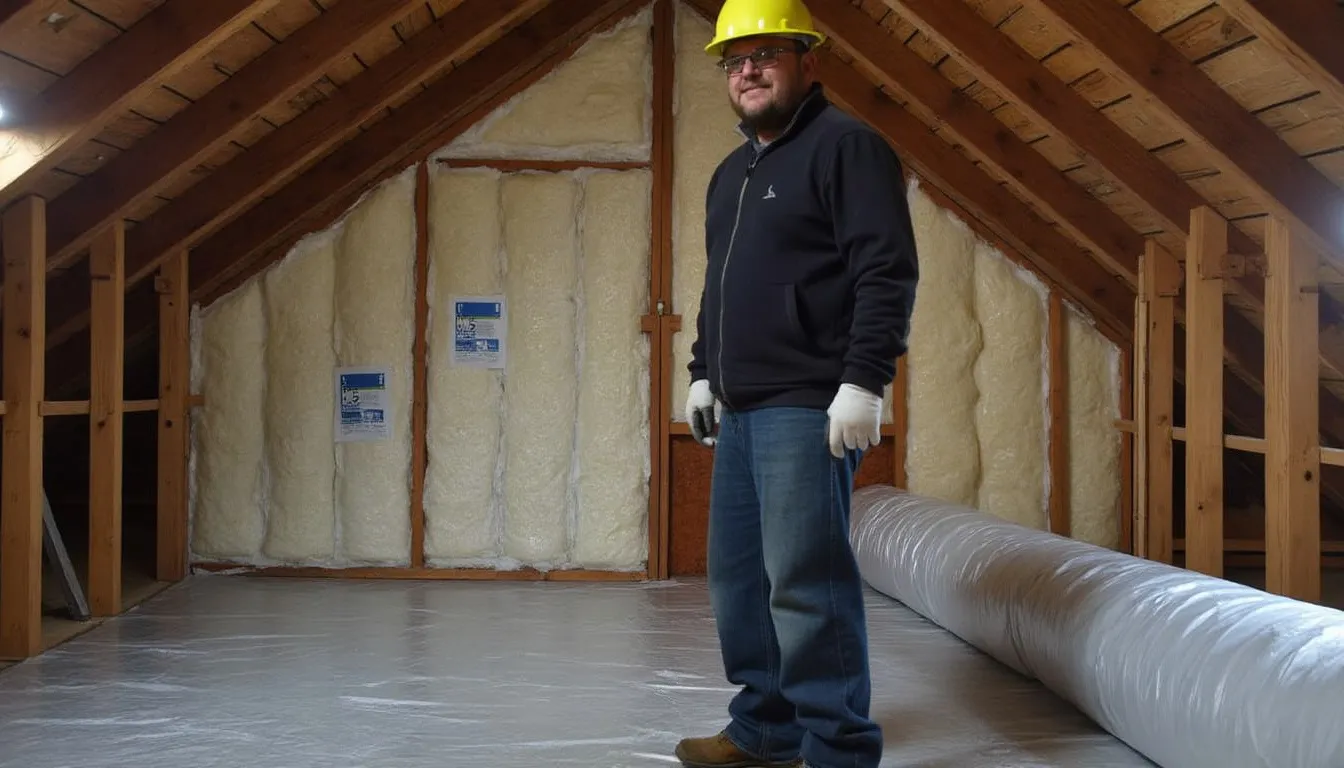
The effectiveness of insulation also depends on its installation. Poor installation will lead to thermal bridges, which are areas where heat can escape. A professional will guide you on the best practices.
Ecological alternatives for insulation
More and more homeowners are choosing eco-friendly insulation solutions. Not only do they meet performance standards, but they are also environmentally friendly. Here are some of these materials:
Sheep wool: a good natural insulator with anti-humidity properties.
Cellulose panels: made from recycled paper.
Cellulose wadding: an insulator made from recycled materials that offers optimal thermal and acoustic properties.
These options not only represent a sustainable choice but can also contribute to a healthy indoor environment.
FAQ on attic insulation and heating
Why invest in attic insulation before changing your heating system?
Insulating your attic allows you to maximize the efficiency of your future heating system and reduce your energy bills.
What are the most ecological insulation materials?
Among eco-friendly materials are sheep wool, cellulose, and cellulose wadding, which are durable and effective.
Is it better to hire a professional for attic insulation?
Yes, hiring a professional ensures correct installation and avoids costly mistakes.
What financial aids are available for insulation?
There are many national and local grants that can financially support your insulation project.
By incorporating these elements into your reflection, I am confident that you will make the right decisions for your home. Remember, a job well done starts with careful listening to your needs.