
How to effectively replace your cast iron radiators with a low temperature system?
4 min read
Heating is a key element of home comfort, especially when it comes to selecting heating systems suitable for today's modernity. Replacing your cast iron radiators with a low-temperature device is a wise investment both in terms of energy and economy. With the constant increase in energy costs and the new environmental standards imposed by 2025, it is imperative to be informed about the alternatives available on the market.
The evolution of heating systems: towards low temperature
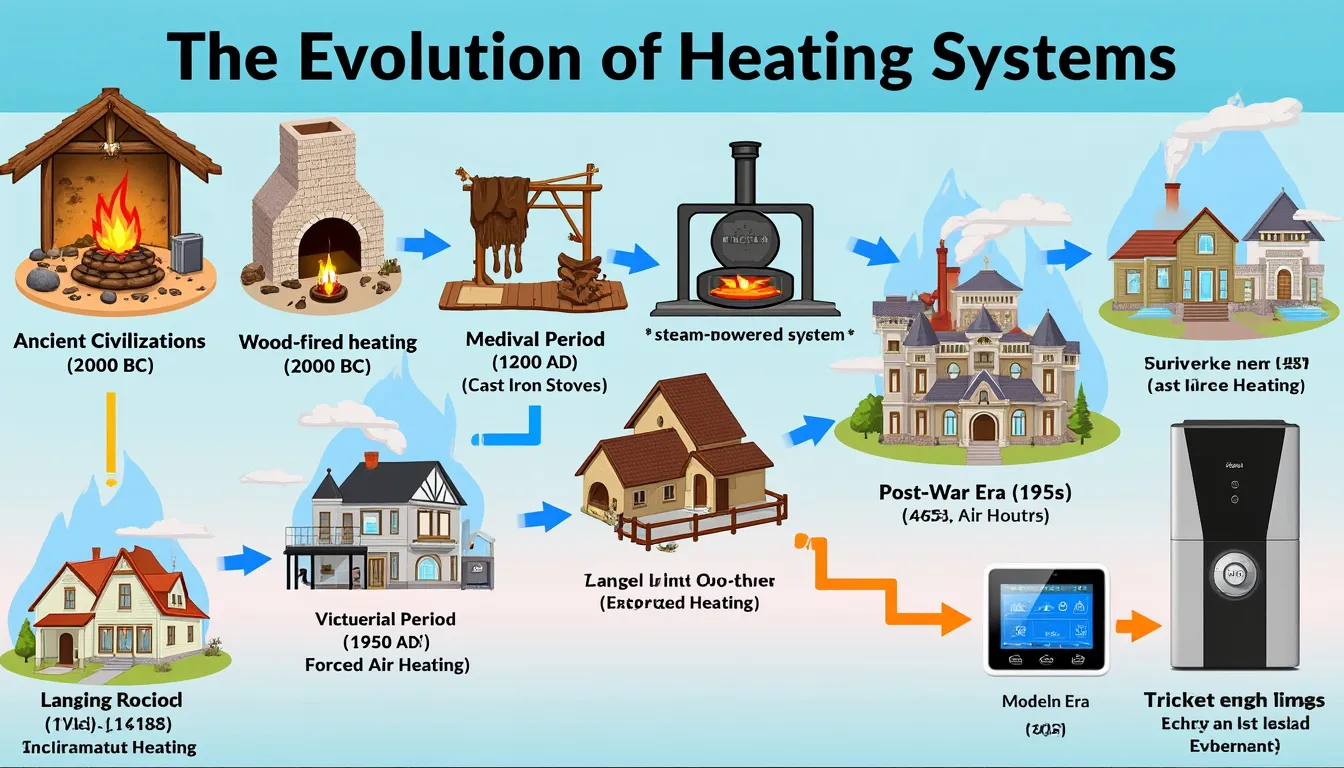
In the world of heating, technology has evolved significantly over the past years. Historically, cast iron radiators were the norm, but with the emergence of modern generators such as condensing boilers, heat pumps (PAC), and other innovative heating solutions, it has become essential to rethink our choices. These new technologies primarily operate at water temperatures below 50°C, which no longer corresponds to the heat capacity of old radiators.
New energy sources
Today, the choice of energy source for heating is varied. Whether through an Air/Water heat pump, powered by outside air, or via condensing boilers that utilize flue gas heat, the option of a low-temperature system is proving to be increasingly popular. These technologies are designed to consume less while producing softer and more uniform heat, thereby improving your thermal comfort.
Understanding low temperature
Low-temperature heating appliances operate by distributing hot water at moderate temperatures. This means that water generally circulates at around 40 to 50 °C maximum. Since this is insufficient for cast iron radiators, it becomes crucial to switch to models optimized for these systems. Brands like Acova and Atlantic offer models specifically designed to ensure optimal thermal efficiency at low temperatures.
Type of generator | Operating temperature | Recommended brands |
|---|---|---|
Air/Water heat pump | 40-50°C | Thermor, Dimplex |
Condensing boiler | 50°C or less | Acova, Atlantic |
Towel radiator | 40-55°C | Radialight, Noirot |
Replacing your radiators: Steps and benefits
Transitioning from cast iron radiators to a low-temperature system may seem daunting, but with proper planning, it can be done smoothly. Here are the essential steps to follow:
Evaluation of the existing system: Before undertaking any work, it is crucial to assess your current radiators to determine their operational condition.
Choosing new radiators: To optimize the efficiency of a low-temperature system, it is necessary to select suitable radiators that provide a larger heat exchange surface.
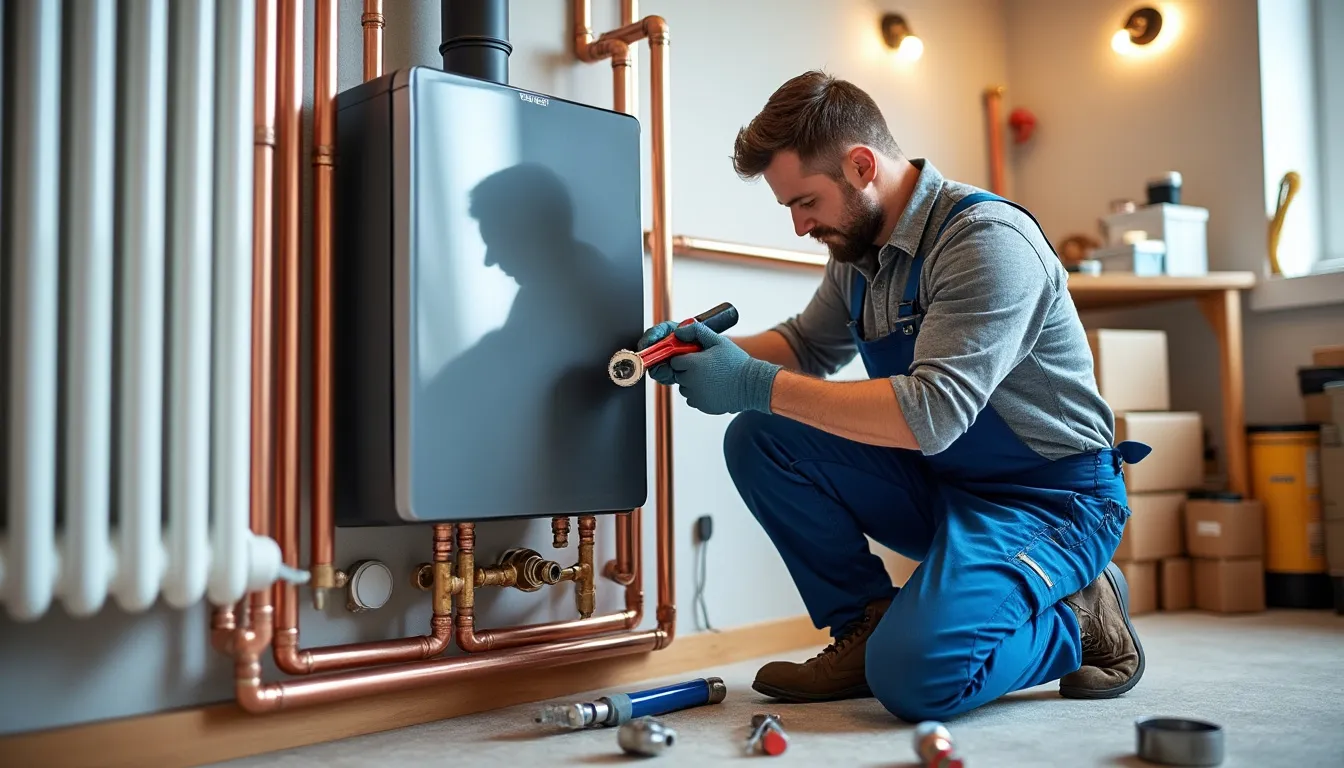
Professional installation: The plumber must carry out the installation to ensure proper connection to the heating system.
Tuning and optimization: After installation, precise adjustments are needed to integrate the new system while optimizing energy savings.
Costs and energy savings
By opting for a low-temperature system, energy savings are more than potential. Although installation costs may be initially high, especially due to the purchase costs of new radiators, the long-term savings on your heating bills often offset these investments. Moreover, government aids are often available to support this transition to more sustainable installations.
Installation techniques and adaptation
Installing low-temperature radiators involves a certain architectural flexibility. Depending on the internal volumes of your home, it may be necessary to adapt the installations. In spaces such as bathrooms or kitchens, innovative solutions add an aesthetic dimension while maintaining optimal performance.
Adapting to new standards
As building standards evolve, especially with the approach of 2025, particular attention must be paid to building insulation. Enhanced insulation helps maximize the efficiency of modern heating systems. Techniques such as "Box in a box" construction allow for better thermal management by integrating all necessary infrastructures into an optimized space.
Design and aesthetics of modern radiators
Tastes in design evolve, and today’s consumers seek heating solutions that harmoniously blend with their interior decor. Brands like Chauffage Design and Sohm offer contemporary designs, ensuring elegance while providing uniform heat.
Brand | Type of radiator | Features |
|---|---|---|
Acova | Design | Compact and efficient under low temperature |
Thermor | Electric | Smart heating with digital control |
Radialight | Traditional radiator | Customization options and robustness |
The challenges of installation and how to overcome them
Although replacing cast iron radiators with modern heat emitters is a necessity, several challenges may arise:
Extended installation time: Demolition and preparation work can lengthen completion times.
Unexpected costs: It is wise to establish a detailed budget, including contingencies.
Adaptation to the new configuration: Each room may require special attention to ensure uniform heat distribution.
To overcome these challenges, hiring a professional plumber can be an effective solution. An expert will be able to anticipate these unforeseen issues and implement a system suited to the specific needs of your home.
The benefits of a successful installation
A well-executed transformation will not only provide thermal comfort but also reduce carbon emissions. Committing to an installation that meets modern standards enhances the value of your home while meeting the growing expectations for energy efficiency.
FAQ
Why replace my cast iron radiators?
Cast iron radiators are not suited to low-temperature systems, which can harm the energy efficiency of your installation. By retrofitting with new emitters, you improve thermal comfort while reducing your bills.
What are the costs associated with such a replacement?
Costs vary depending on the type of radiators chosen and the complexity of the installation. In general, a budget between 2,000 and 10,000 euros should be expected, depending on the necessary work and selected equipment.
What financial aids are available?
There are several grants and tax credits to encourage the transition to more efficient heating systems. Programs such as MaPrimeRénov and Energy Savings Certificates (CEE) can help fund part of your work.
What is the best type of radiator for a low-temperature system?
Convection radiators and radiant models, such as those from Noirot, are excellent for operating with low-temperature systems. Investing in well-known brands ensures better energy efficiency.
How long does it take to install a new system?
The time required depends on the size of your home and the number of radiators to be replaced. Generally, a timeframe of a few days to a week is reasonable for a complete installation.