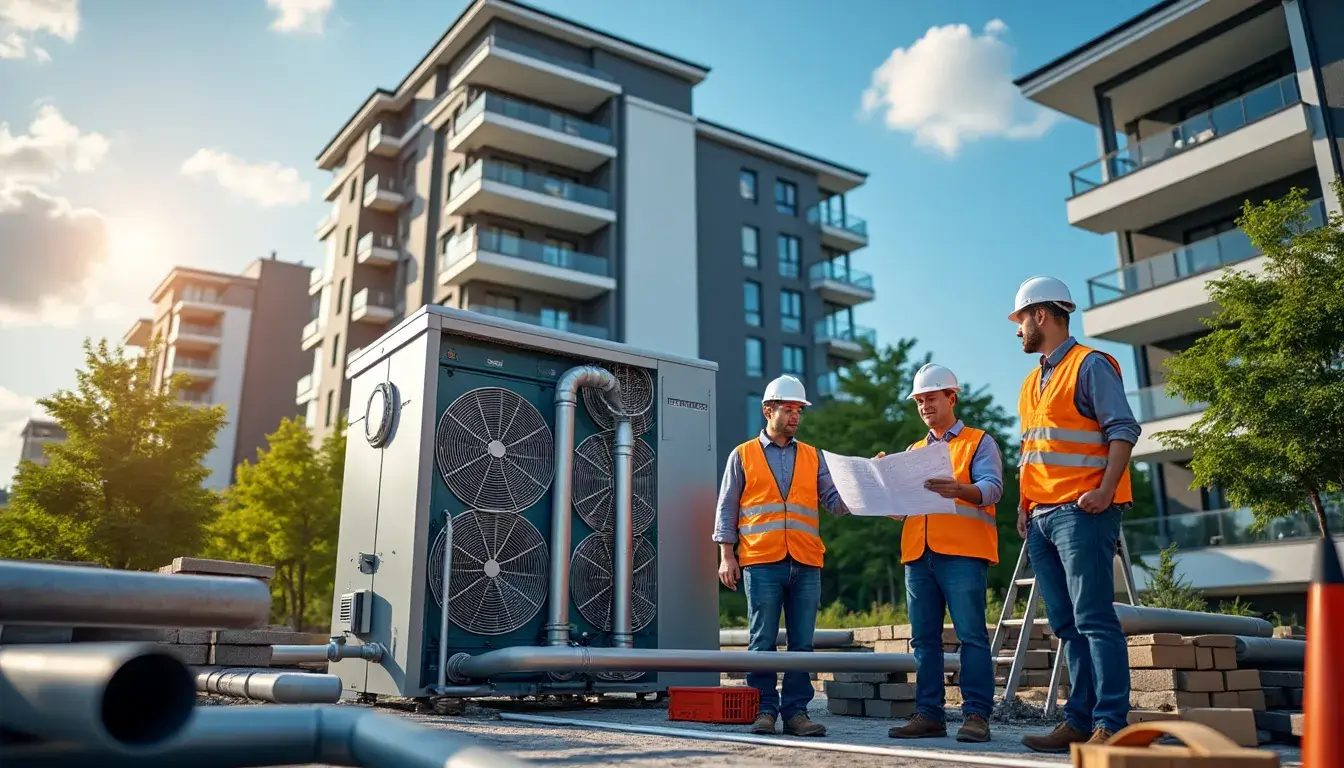
How to successfully change the collective heating in your co-ownership?
5 min read
In a world where energy efficiency has become a priority, changing the heating system in a co-ownership may seem like a complex task, but if well planned, this transition can lead to many benefits. Whether you are a resident of a co-ownership with collective heating or considering installing one, this article guides you through the various crucial steps, highlighting the technical functioning, economic benefits, and best practices to adopt for eco-responsible management. Whether you are a property manager or a simple co-owner, here’s how to carry out a central heating change with peace of mind.
Collective heating in co-ownership: functioning and basic principles
Collective heating is based on a simple but effective concept: each apartment in the co-ownership is connected to a central boiler room, often located in the basements or away from common areas. This boiler room, which can operate with various systems such as a boiler or a heat pump, produces a fluid, usually hot water, that circulates in the homes to heat them. Additionally, this installation is often used for heating domestic water, thereby optimizing its use.
The characteristic of collective heating is its synchronized operation: the entire system is turned on and off on fixed dates each year, typically from October 15 to April 15. Despite this general programming, each occupant retains the ability to adjust the temperature in their home by individually controlling their heating, ensuring a level of comfort.
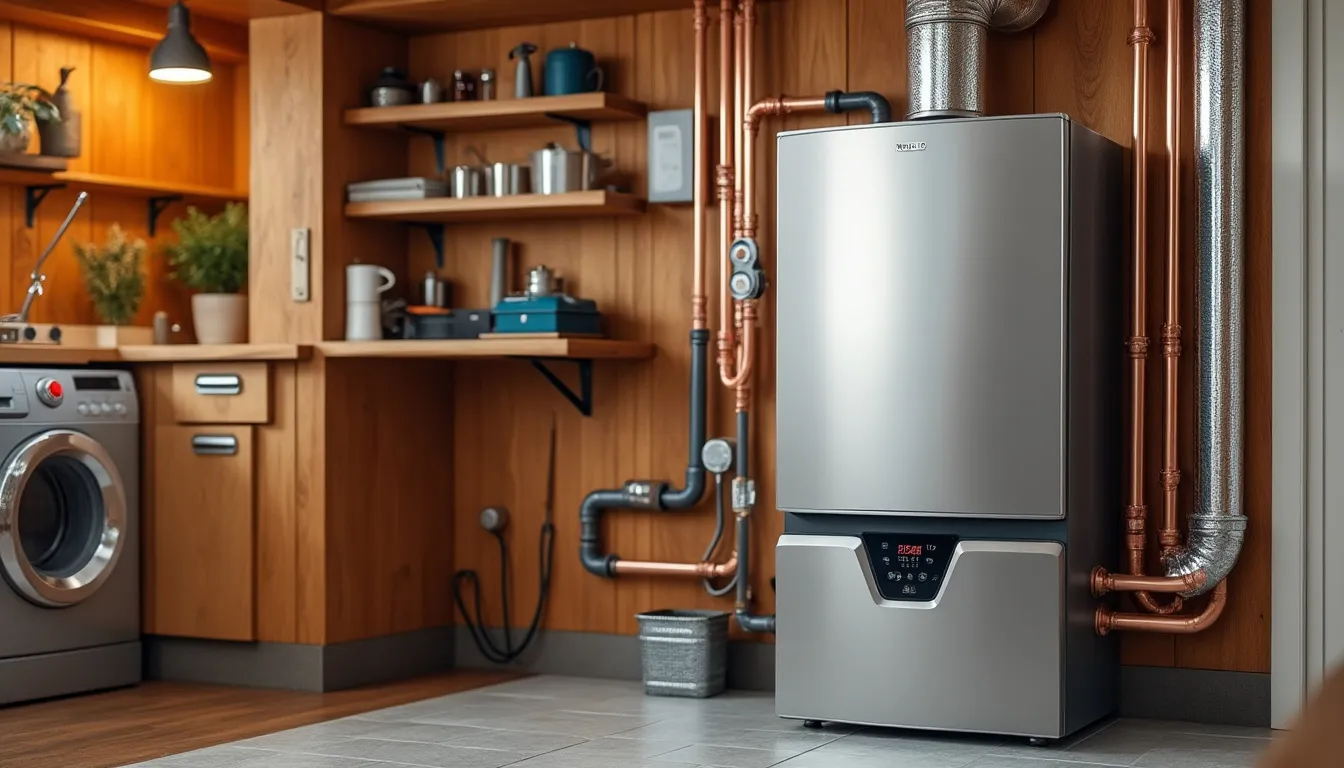
Advantages of collective heating in a co-ownership
The implementation of a collective heating system offers several undeniable advantages for a co-ownership:
Financial savings: Installation and maintenance costs are pooled, which results in a reduction of charges for each resident.
Space rationalization: By centralizing the heating system, apartments do not require the installation of individual boilers, which are often bulky.
Reduced environmental impact: By pooling resources, collective heating can potentially reduce the building's carbon footprint and promote more ecological solutions.
Choosing the right type of collective heating
As of 2025, many types of collective heating are in circulation, but the trend is leaning towards systems using renewable energies to promote the energy transition. Most co-ownerships opt for gas boilers, which are known for their economic efficiency. However, new solutions such as solar water heaters or geothermal heat pumps are beginning to gain traction.
There is also a growing awareness of the importance of switching to wood heating systems, which combine economic efficiency and sustainability, despite installation constraints.
Type of heating | Advantages | Disadvantages |
|---|---|---|
Gas boiler | Affordable installation costs, stable performance | Dependence on natural gas |
Heat pump | Energy savings, eco-responsible solutions | High initial installation cost |
Solar water heater | Renewable energy, low environmental impact | Complex installation, space requirement |
The responsibilities of the property manager in choosing the heating method
It is imperative for the property manager to evaluate all available options. To this end, an energy audit should be considered to better understand the specific needs of the building. By comparing different market offers and developing a realistic budget forecast, the property manager can determine the most appropriate solution in terms of cost and efficiency. This also includes assessing potential subsidies that could support the transition to renewable energies.
Distribution of charges within a collective heating system
Another fundamental aspect to consider is the distribution of heating charges within the co-ownership. Since October 2020, the law has mandated the individualization of heating expenses in most buildings with a collective system. This change aims to ensure an equitable distribution of costs, based on the actual consumption of each unit, rather than on square footage. This encourages residents to adopt more responsible behavior regarding energy consumption.

Functioning of the charge distribution
Previously, each co-owner paid charges based on the size of their apartment, which could cause tensions between neighbors. With individualization, each resident pays based on their own usage, which promotes energy savings. For example, an owner of a two-room apartment can now adopt more precise management of their heating, provided they encourage proactive behaviors, such as:
Reducing the heating temperature in living areas by 1 to 2 degrees.
Regularly bleeding radiators to optimize their efficiency.
Ensuring proper insulation of homes to avoid heat loss.
Costs and maintenance of collective heating
The maintenance of a collective heating system is also a critical point. The costs associated with these services are generally shared among all co-owners. To ensure effective and optimal expense management, it is advisable to compare contracts from several providers, analyzing the guarantees offered.
Type of contract | Included services | Approximate cost |
|---|---|---|
Basic contract | Energy supply, regular maintenance | €1000/year |
Intermediate contract | Basic services + minor work | €1500/year |
Complete contract | Total warranty + major works | €2500/year |
Evaluation and choice of maintenance services
Co-owners should also be well-informed about what each offer includes. It is common to find that more comprehensive contracts may come with a higher initial cost but are often more cost-effective in the long run, thanks to coverage of potential thermal renovation work and reduced breakdowns.
How to proceed with the change of collective heating in your co-ownership
Changing the collective heating system requires a structured approach. First, it is essential to convene a general assembly to discuss and vote on the necessary resolutions. The property manager plays a central role here. For instance, if the building is equipped with oil boilers, which are now prohibited, a change to a more ecological heating method must be planned.
Thermal renovation aids and financed solutions
Additionally, be aware that in France, there are several financial aids available to assist co-ownerships in their energy transition. Schemes such as MaPrimeRenov' allow financing part of the replacement work of energy-intensive heating systems to eco-responsible solutions, such as heat pumps. This represents a real opportunity to reduce costs and improve the energy efficiency of your building.
It is also wise to explore options for financing and loans aimed at energy renovations. You can inquire about positive measures to support co-ownerships in this regard through specialized websites.
FAQ - Frequently asked questions about collective heating in co-ownership
What are the main advantages of collective heating in co-ownership?
Collective heating enables pooling installation and maintenance costs while optimizing space in each residence. Moreover, it helps to reduce the carbon footprint of the buildings.
What are the steps to change the collective heating system?
You should start by conducting an energy audit to assess the needs. Then it is essential to vote on a resolution in the general assembly to choose the new heating system. Finally, it is necessary to evaluate the available financial aids.
How is the distribution of heating charges calculated?
Since 2020, the distribution is based on the individual consumption of each residence, thereby encouraging residents to save energy.
What financial aids are available for thermal renovation?
There are several aid schemes, including MaPrimeRenov', as well as local and national subsidies that support co-ownerships in their energy transition.
What types of collective heating are the most efficient?
Heating systems using renewable energies, such as heat pumps and condensing boilers, are often more efficient and eco-friendly.