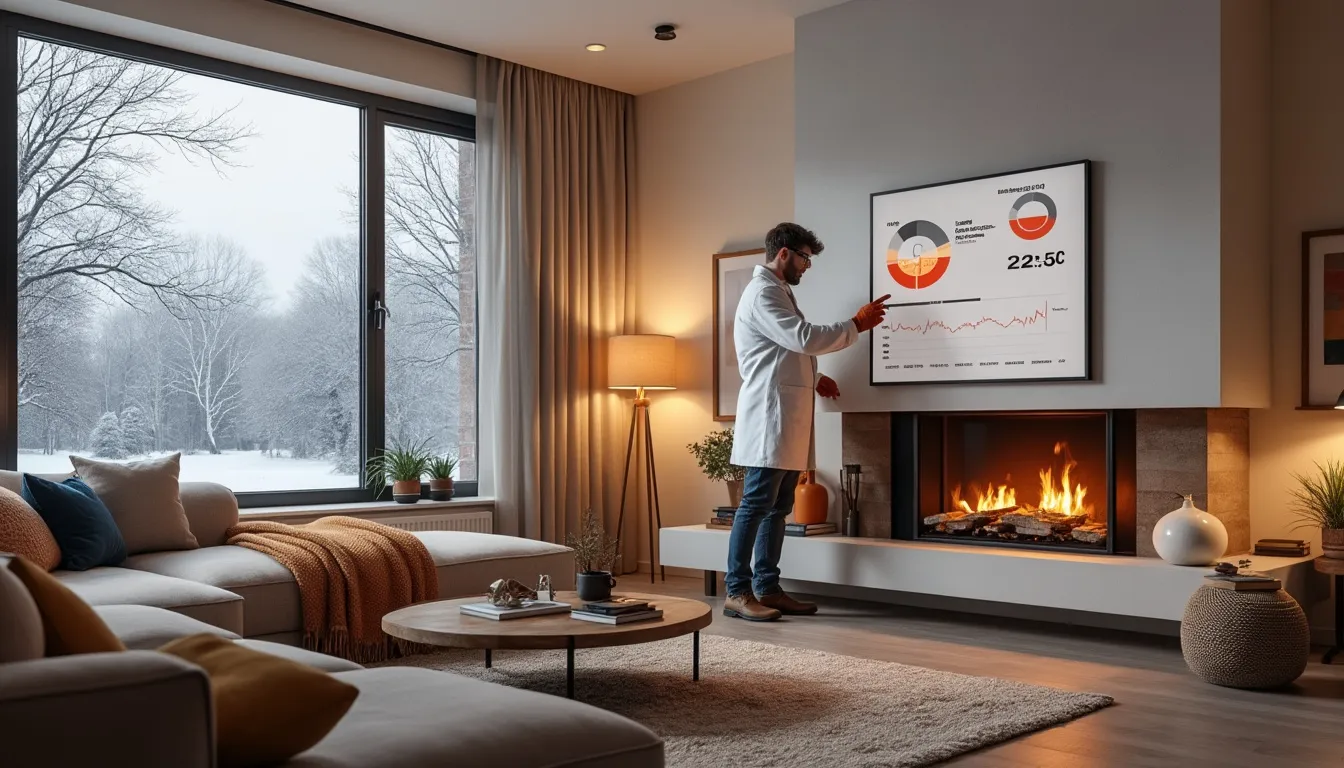
Thermal assessment of a house: why is it essential before installing a new heating system?
4 min read
When considering renovating your home, one of the first instincts should be to carry out a thermal assessment. This diagnosis is a key tool for optimizing the energy efficiency of your residence, particularly regarding insulation and heating. Although it may seem like a detail in the overall renovation project, it is actually the essential foundation. Still hesitating? Let's explore together the reasons why a thermal assessment is indispensable before undertaking any work.
Understanding the thermal assessment
A thermal assessment is an in-depth analysis of your home's energy performance. The goal is to diagnose weak points and obtain concrete recommendations on the necessary work to improve thermal comfort and reduce energy bills. In other words, it helps identify areas where heat is escaping and where you could make significant improvements.
The elements to analyze during a thermal assessment
During a diagnosis, several elements are examined:
The heating system, by evaluating the condition of boilers and their operation.
The glazing, particularly their type and efficiency.
The floors and their capacity to retain heat.
The walls and their insulation.
The roof, often a source of thermal loss.
The ventilation system, crucial for air quality.
The orientation of the house, which can influence heating needs.
The building materials used in the dwelling.
A professional in the field will conduct a meticulous evaluation of each aspect to target priority interventions.
Thermal bridges: a major issue not to be overlooked
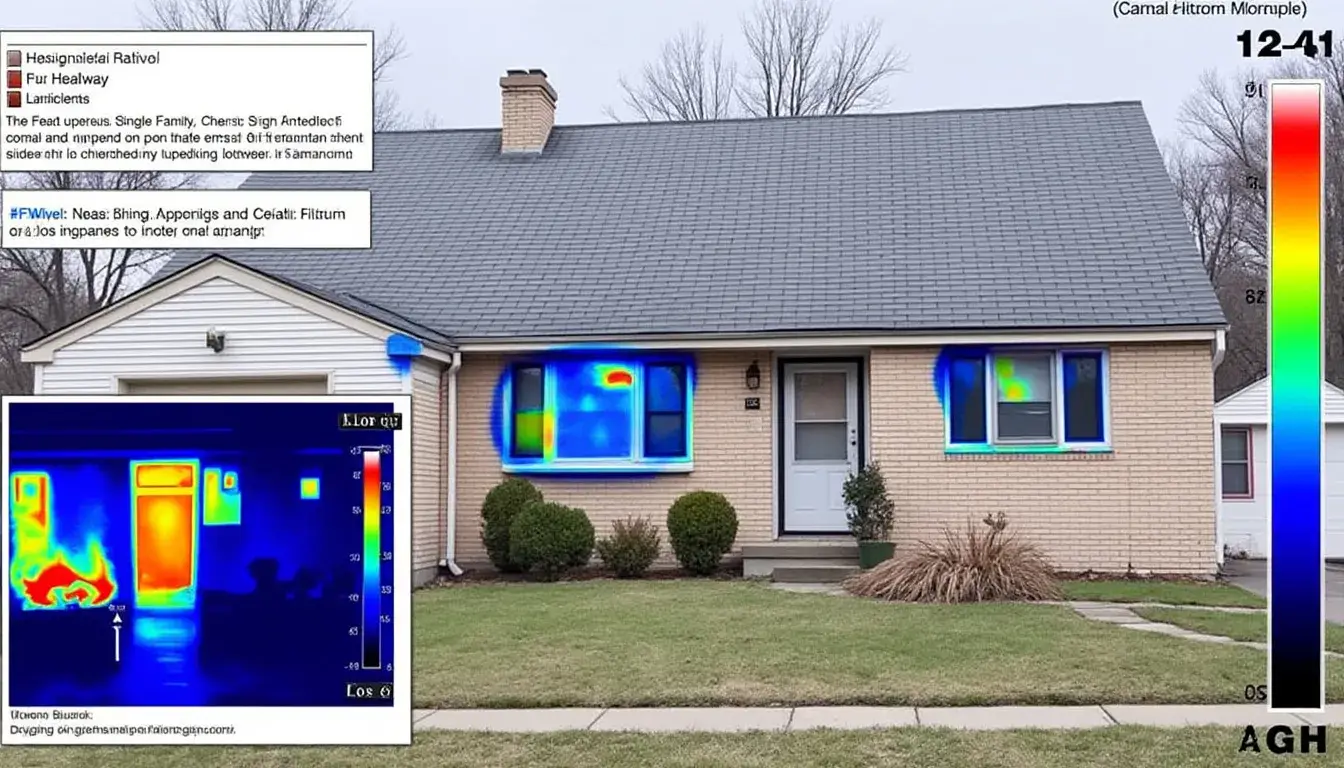
A thermal bridge refers to a break within the building envelope through which heat escapes. This is a common phenomenon in older homes, often caused by variations in insulation thickness or the presence of poorly performing materials. Detecting these defects is essential because they will often represent significant energy loss areas.
The key steps to carry out an effective thermal assessment
A thermal assessment takes place in three main steps:
Information collection about the dwelling: age, materials used, systems in place.
Thermographic study, where an infrared camera detects anomalies such as air leaks or mold.
Visual checks of the most energy-consuming areas, focusing on elements such as the roof.
After this analysis, a report containing recommendations will be provided. This will help you determine the work to be undertaken as well as their order of priority.
When and why carry out a thermal assessment?
There is no mandatory date for conducting a thermal assessment, but it is strongly recommended to do so before:
The start of renovation work in your home.
The sale of a property, in order to assess its energy performance.
It is also strategic to conduct this assessment if you are considering installing a new heating system. Having a reference framework will help direct the appropriate technical choices.
Differences between thermal assessment, energy audit and DPE
It is common to confuse the thermal assessment with other energy diagnostics such as the energy audit and the DPE (Energy Performance Diagnosis). Here are the main distinctions:
Criteria | Thermal Assessment | Energy Audit | DPE |
|---|---|---|---|
Objective | Identify energy weaknesses | Evaluate overall energy performance | Rank the dwelling in terms of consumption |
Mandatory | No | Yes (for homes rated F or G since April 2023) | Yes (before sale or rental) |
Focus on | Insulation and heating | Uses and performances | Quick assessment |
For more precise conclusions, the energy audit is often recommended, especially for older homes. It is an excellent way to deepen the analysis of energy consumption in your dwelling.
The cost of a thermal assessment and financial aid
The cost of a thermal assessment can vary significantly. On average, it ranges from 300 to 1,000 euros. This depends on the scope of the study and the experience of the professional:
A basic assessment service could cost around 300 euros.
A comprehensive in-home diagnosis, including thermography, can approach 1,000 euros.
While the cost might seem high, know that there are aids available to finance energy audits, although the thermal assessment does not benefit from direct subsidies.
Available aids for individuals
The following aids can facilitate the financing of your energy renovations:
MaPrimeRénov’: exceptional aid to partially finance energy audits.
ADEME: subsidies for professionals that can cover up to 70% of audit costs.
Energy Savings Certificates (CEE): help reduce audit costs during the overall renovation.
Why choose a certified professional?
To ensure the quality of your thermal assessment, turn to a certified RGE (Recognized Guarantor of the Environment) expert. These professionals will provide you with a service that complies with current standards, essential for obtaining reliable and accurate results.
The key benefits of the thermal assessment
There are many reasons to undertake a thermal assessment. Here are the main ones:
Evaluation of insulation: know if your walls, attics, or floors are sufficiently insulated.
Advice on glazing: determine if improvements are necessary, such as switching to double or triple glazing.
Recommendations on heating systems: know if boiler replacement is necessary.
Optimization of energy expenses: reduce your bills through targeted improvements.
In summary, investing in a thermal assessment is a wise investment to maintain optimal thermal comfort in your home, while leading to long-term improvements to the habitat and a reduction in energy-related expenses.
FAQ on the thermal assessment
What is a thermal assessment? A diagnosis that identifies the energy weaknesses of your dwelling to optimize its efficiency.
What is the price of a thermal assessment? It varies between 300 and 1,000 euros, depending on the complexity of the study.
Are there financial aids available? Yes, but they mainly apply to energy audits.
When should I do a thermal assessment? Before renovation work or when selling your property.
How does a professional carry out the thermal assessment? By collecting information, conducting thermographic analyses, and visually checking the habitat.