
Underfloor heating or radiators: advantages and disadvantages to consider
4 min read
When building a single-family home, the choice of heating system is crucial. Between underfloor heating and radiators, each has its strengths and weaknesses. In the era of energy efficiency, it is essential to weigh the pros and cons to choose the solution best suited to your needs and lifestyle. Whether you are in the process of construction or considering your current installations, this article will help clarify the differences between these two heating systems, including technical and economic aspects.
Underfloor heating: a user-friendly and modern solution
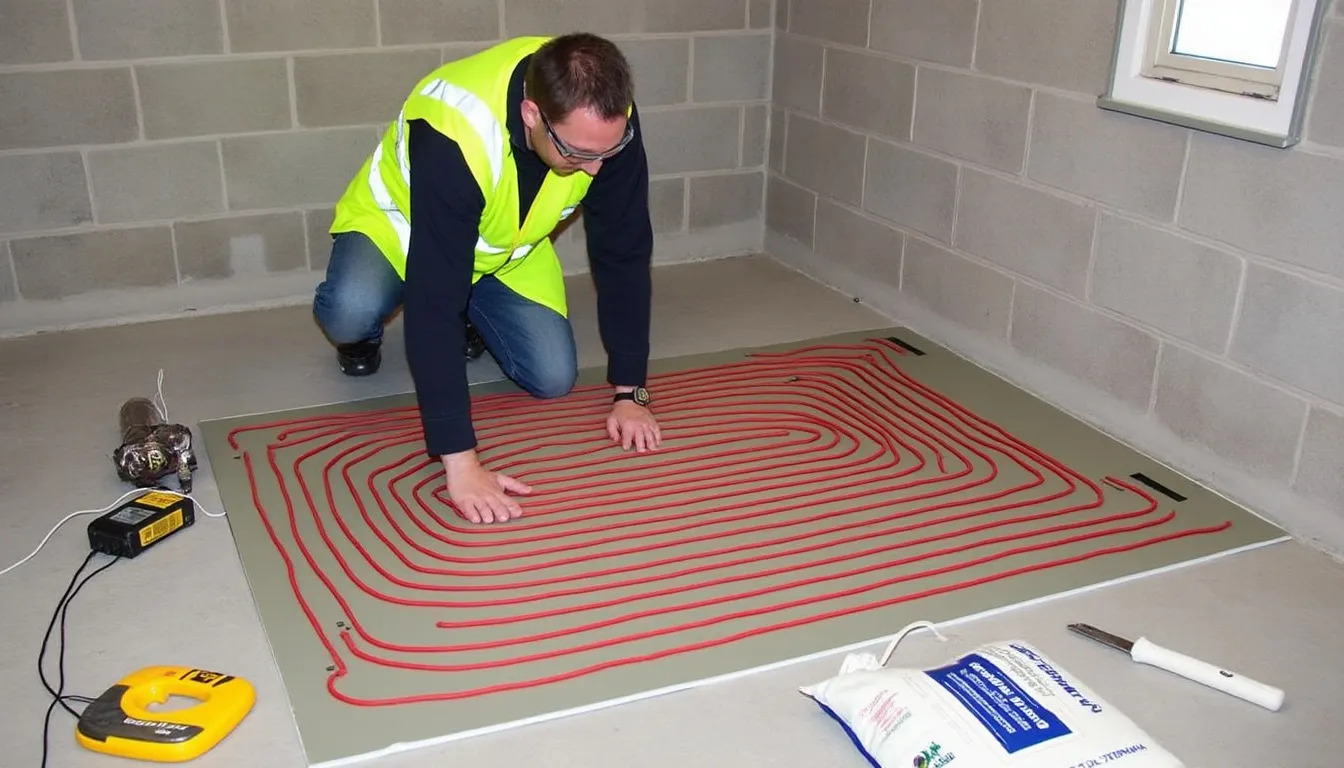
Underfloor heating, or radiant floor heating, remains a popular solution for those seeking comfort and aesthetics. It works by evenly distributing heat from the floor, thus providing a pleasant warmth sensation without the unpleasant effects associated with other systems.
Advantages of underfloor heating
Optimal thermal comfort: The main appeal of underfloor heating lies in its ability to distribute heat evenly, reducing cold or overly hot spots.
Aesthetic appeal: No visible appliances in the room, allowing for better freedom in arrangement.
Programmability: Ability to adjust the temperature by zone, ideal for tailoring comfort to each room.
Energy savings: Despite a higher initial investment, underfloor heating often allows for savings in the long term thanks to better energy efficiency.
In terms of energy sources, underfloor heating can be powered by various systems such as condensing boilers, heat pumps, or even solar energy. However, it is recommended to avoid electric models, as the operating costs are often prohibitive.
Disadvantages of underfloor heating
Slow heating: In very low temperatures, underfloor heating can take time to reach a comfortable climate, sometimes up to 24 hours.
Complex installation: Setting up an underfloor heating system requires professional expertise, often associated with higher installation costs.
Required maintenance: For systems linked to heat pumps, annual maintenance is recommended to ensure optimal longevity.
Comparative table: underfloor heating vs radiators
Criteria | Underfloor heating | Radiators |
|---|---|---|
Investment cost | High | Variable, generally lower |
Thermal comfort | Excellent (even heat) | Variable (often uneven heat) |
Heating time | Long (up to 24h) | Fast |
Aesthetics | Invisible | Visible (affects layout) |
Maintenance | Requires professional maintenance for certain applications | Easy to maintain |
Radiators: a classic and functional choice
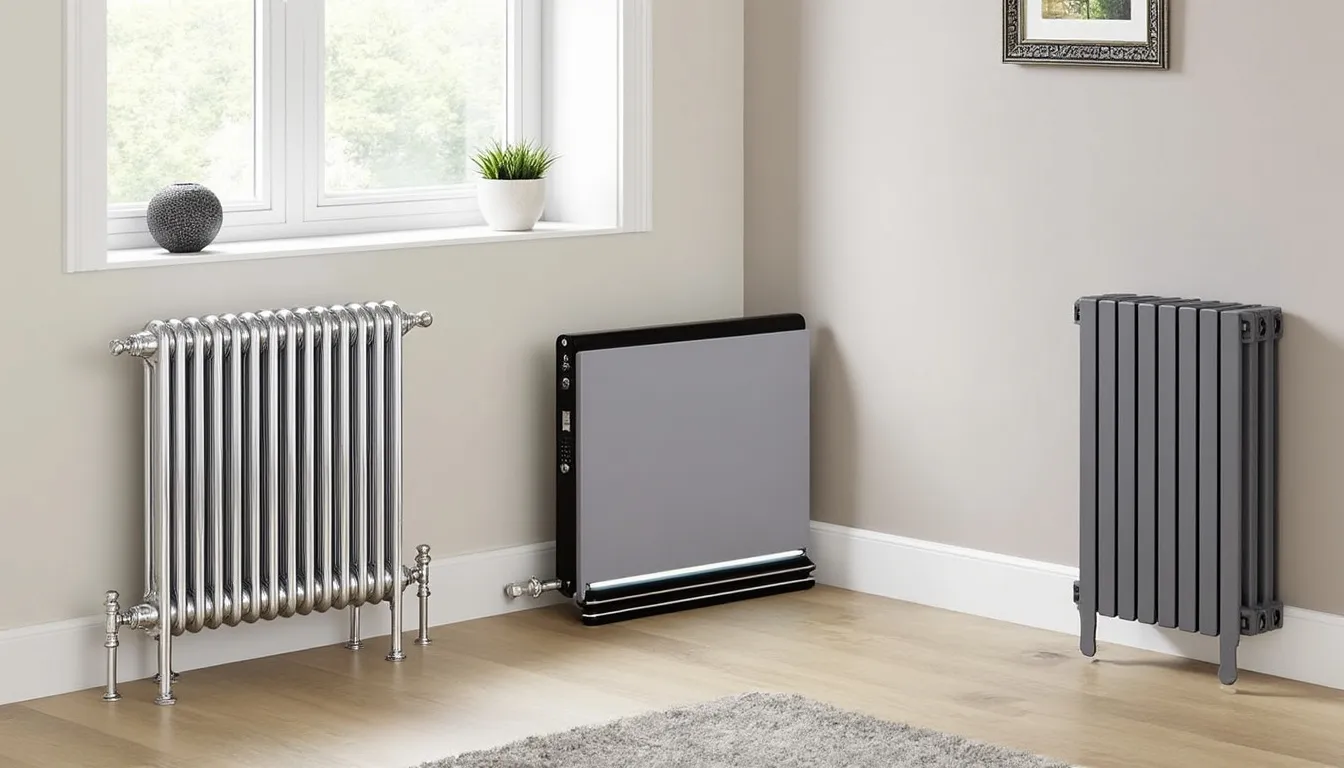
Radiators, whether hot water or electric, remain a very common heating option, particularly for older homes or for quick renovations. They can operate with different types of energy, including electricity, gas, or oil.
Advantages of radiators
Affordable initial cost: The installation of radiators, especially electric models, often involves a lower entry cost than underfloor heating.
Easy installation: Installing radiators is generally quick and does not require major modifications to your home.
Flexibility: You can easily choose from different types of radiators (design, decorative) to match your decorative style.
Fast heating: Radiators provide rapid temperature rise, which is ideal in very cold periods.
Disadvantages of radiators
Space-consuming: They take up space on the walls, which can limit your furniture arrangement options.
Uneven heat: The heat produced is not always homogeneous, sometimes resulting in cold spots within a room.
Energy costs: Depending on the energy source chosen, operating costs can quickly add up, particularly with electric radiators.
Choosing the right radiator brands
Investing in quality radiators can make a significant difference. Renowned brands like Schneider Electric, Atlantic, Thermor, and Ferroli offer various models suited to all needs. Similarly, for a gas system, opting for reliable manufacturers such as Vaillant, Bosch, Chaffoteaux, Saunier Duval, and De Dietrich is essential for ensuring safety and performance.
Optimizing your heating system: combining underfloor heating and radiators
In certain situations, the best choice may lie in combining both systems. Mixing heating solutions according to the rooms in your house can optimize comfort while achieving savings.
How to effectively combine the two systems?
Underfloor heating in living areas: Install radiant floor heating in living areas such as the living room or dining room for optimal comfort.
Radiators in bedrooms: For bedrooms, traditional radiators may suffice and provide quick warmth during the night.
Mixed solutions: In certain rooms, integrating both underfloor heating and a radiator, such as a towel warmer in the bathroom, can meet different needs.
Advantages of a mixed solution
Flexibility: Allows for meeting the specific heating needs of each room.
Energy savings: By adjusting the use of both systems, you can optimize your energy expenditures.
Enhanced comfort: A floor heating system connected to a smart control can more effectively regulate the temperature.
Monitoring and managing your heating system
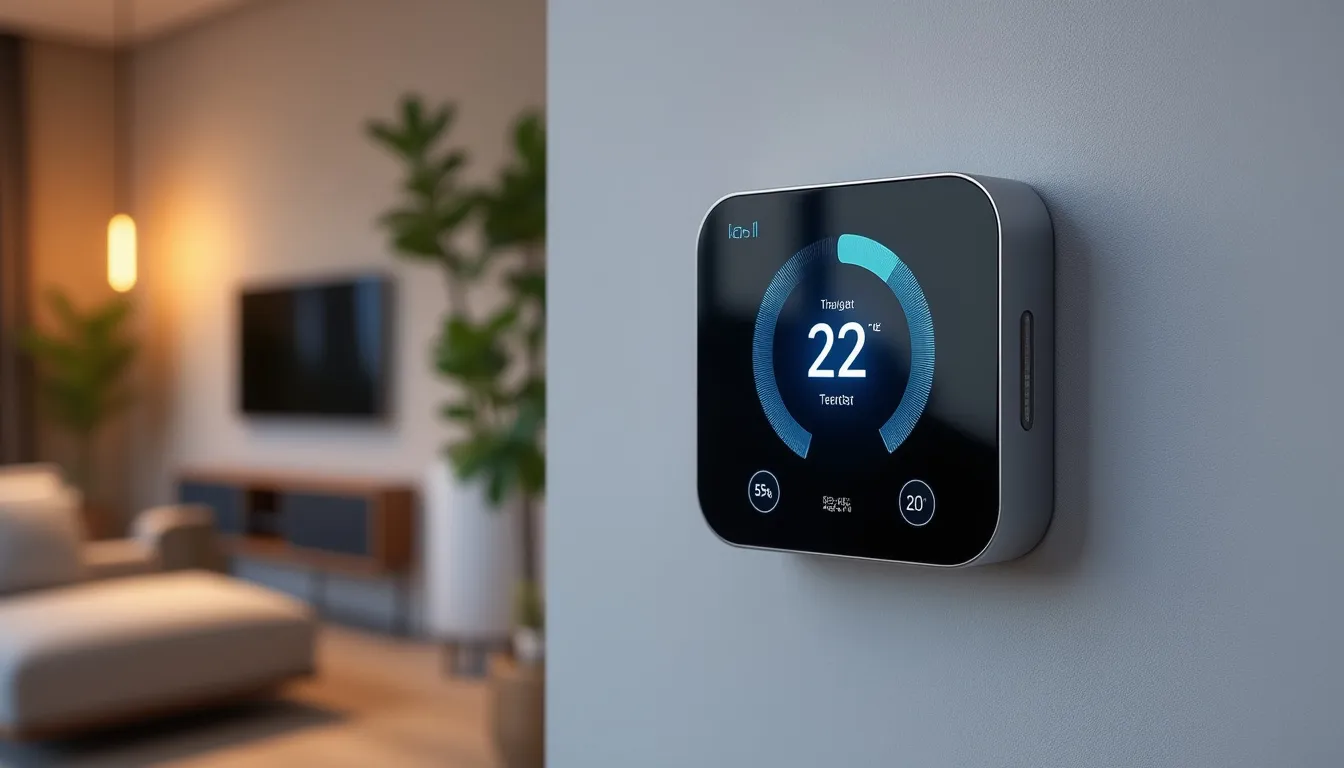
With the rise of smart technologies, monitoring your energy consumption has become easier. Using a smart thermostat that connects with your devices (such as those offered by Schneider Electric) allows you to optimize your comfort while controlling your costs.
FAQ about underfloor heating and radiators
Which heating system is the most economical in the long term?
Although underfloor heating requires a higher initial installation cost, it can offer considerable savings in the long term due to its efficiency and even heat distribution.
Are radiators easier to maintain?
In general, radiators are easier to maintain than underfloor heating, especially when they are electric. However, it is crucial to regularly check temperatures and pressure, especially for those operating on gas.
Can I install both systems myself?
It is advisable to hire professionals for the installation of heating systems, particularly for underfloor heating, to ensure safety and compliance with current standards.
What are the best brands for underfloor heating?
For underfloor heating, opt for reputable brands like Daikin, Bosch, and Ferroli that offer effective solutions.
Are the two heating systems compatible?
Yes, it is entirely possible to combine underfloor heating with radiators to benefit from the advantages of both systems. However, this requires adequate planning to optimize comfort.