
Heat recovery from greywater: an asset for your heating and savings
4 min read
The recovery of heat from gray water, namely that from showers, bathtubs, washing machines, and kitchens, represents a real opportunity to optimize our energy consumption. Indeed, this often-neglected water holds considerable potential, with temperatures ranging from 15 to 35 °C, and a composition clean enough to be used for heating purposes. In France, as well as in several European countries such as Germany and Austria, sophisticated systems are emerging to capture this thermal energy and redirect it to the cold water feeding our installations. At the heart of this transformation is an increasingly favorable regulatory framework for the adoption of sustainable energy solutions, particularly with the advent of the thermal regulation RT 2012 and, more recently, RE 2020. Let’s discover together how the recovery of heat from gray water can transform our homes.
The heat from gray water: an overlooked energy source
Gray water, often disposed of without thought, contains a significant amount of heat. In a society where the need to reduce our carbon footprint is urgent, it is crucial to know how to exploit these still underutilized resources. The potential for energy recovery fits within a broader context of energy efficiency.
What is heat recovery from gray water?
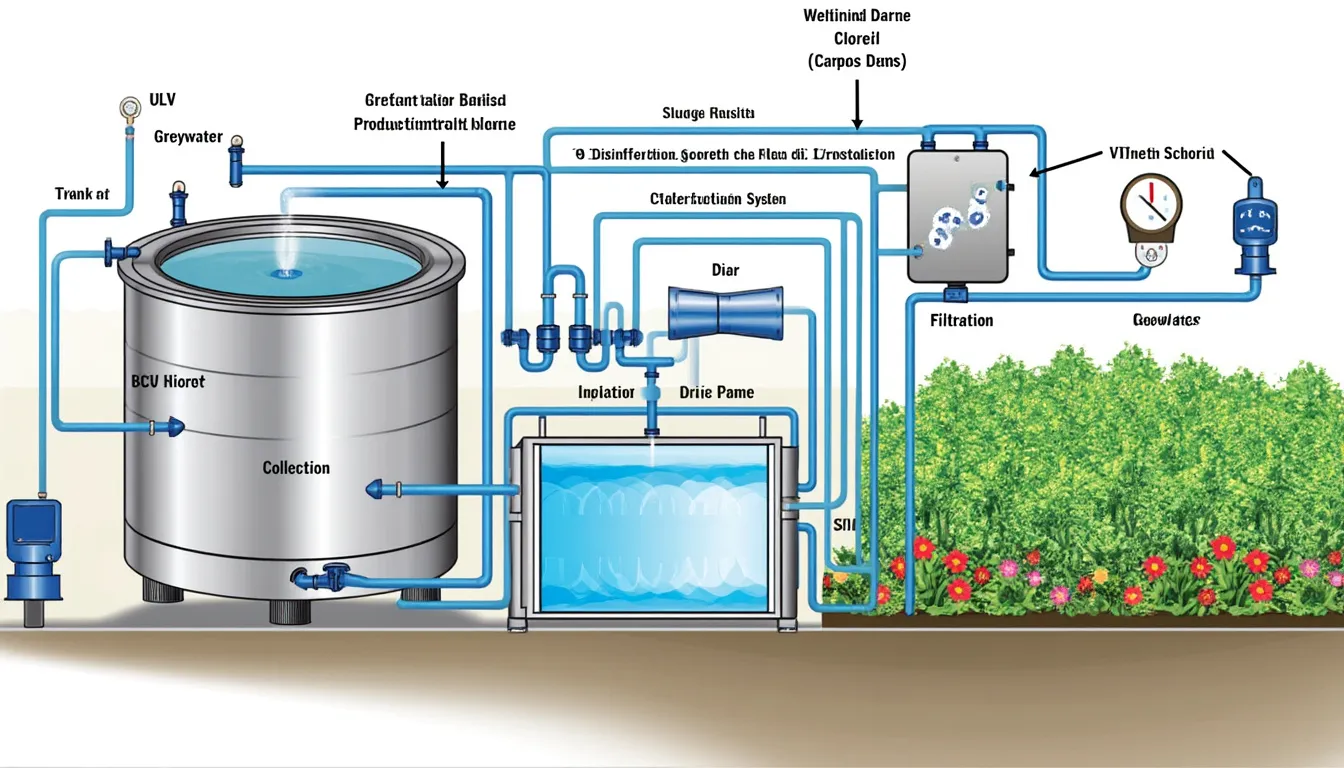
Heat recovery from gray water consists of extracting the thermal energy contained in wastewater, typically from showers, to heat the cold water from the sanitary network. This process is based on the principle of thermal exchange, where heat exchangers recover residual heat to redistribute it. This is referred to as recycled heat and energy savings.
Available recovery technologies
There are primarily two categories of heat recovery systems:
Instantaneous systems: These devices perform thermal exchange on the fly. When cold water enters your shower, it is preheated by the gray water that flows in. Products like the Power-Pipe system, for example, allow for significant savings of over 50% on the consumption of domestic hot water.
Storage systems: These units collect gray water for an extended duration for later use. Units like ThermoCycle or AquaHeat allow for preheating large quantities of water, enabling even greater reductions in energy needs.
The benefits of heat recovery from gray water
The benefits of such a system are multiple:
Financial savings: A reduction in energy bills related to hot water can reach 60% depending on the configuration and the volume of gray water recovered.
Positive environmental impact: By decreasing energy demand, greenhouse gas emissions are limited.
Regulatory compliance: Anticipating future requirements for energy efficiency becomes crucial, especially for new buildings.
The regulatory framework and its impact on heat recovery
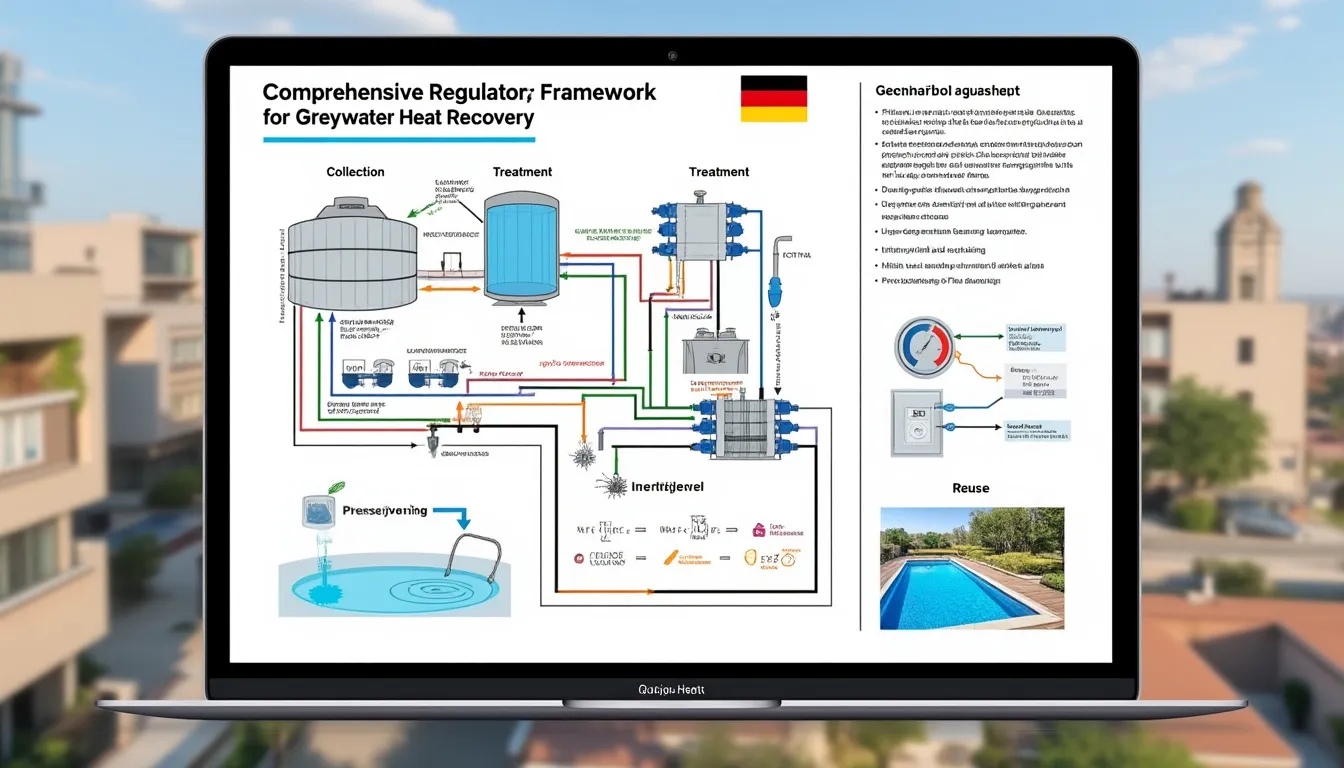
With recent changes in energy legislation in France, such as RT 2012 and RE 2020, builders and owners are encouraged to integrate sustainable solutions into their projects. These laws push towards considering heat recovery as a standard rather than an option, contributing to a greener future.
The objectives of regulations
The thermal regulation aims for several main objectives:
Reduction of energy consumption in buildings, focusing on domestic hot water.
Promote the use of renewable energies, including the valorization of gray water through effective systems.
Ensure water safety and prevent contamination risks.
Requirements for heat recovery installations
To ensure a compliant and efficient installation in your projects, it is important to observe certain standards:
Compliance with NF DTU standards for sanitary plumbing installations.
Conformity with ANSES recommendations to ensure water quality.
Integration of filtration and treatment devices for storage systems.
Technical and economic analysis of heat recovery systems
To evaluate the profitability of a recovery system for gray water, a thorough analysis of the installation costs as well as projected savings on the energy bill is necessary.
Installation costs
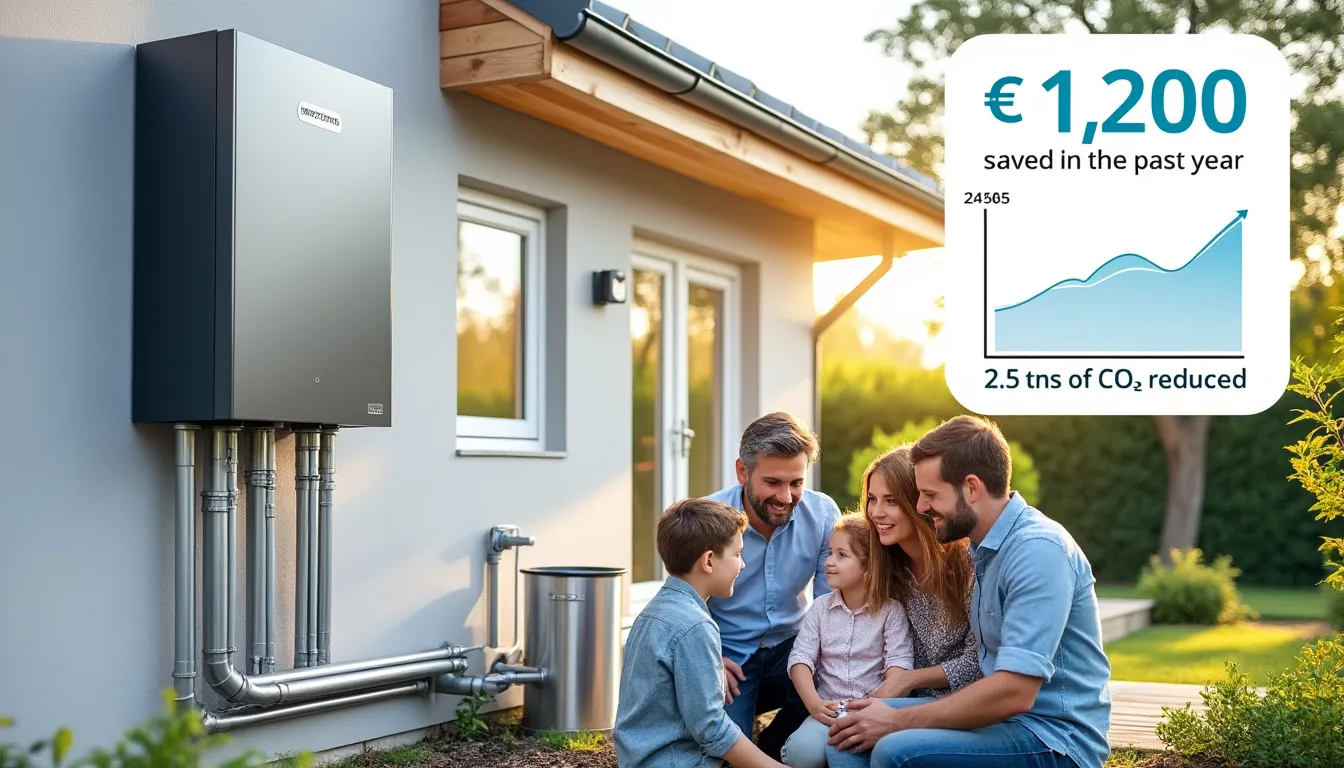
Investments vary depending on the size and type of the chosen system:
System | Average installation cost | Annual savings |
|---|---|---|
Instantaneous system (e.g., Power-Pipe) | 700 - 800 € | 100 - 200 €/month |
Storage system (e.g., ThermoCycle) | 3,500 - 15,000 € | 12,000 - 20,000 €/year |
Return on investment
The time needed to recoup the installation costs of a heat recovery system can vary significantly:
Simple systems may offer a return on investment within 5 to 10 years.
More complex installations can extend this timeframe to 15 years, although they yield significant energy savings in the long run.
Integration and use of heat recovery systems
Before installing a heat recovery system for gray water, it is essential to effectively integrate this technology within existing structures or during the construction of new buildings.
Integration techniques in new buildings
When designing new buildings, several elements must be considered:
Design to facilitate the collection and redistribution of gray water to the recovery system.
Optimize the placement of heat exchangers to ensure maximum heat transfer.
Plan the integration with other heating systems, whether solar or thermodynamic.
For existing buildings
Renovating or integrating a system into an already operational building can pose challenges:
Evaluate the condition of the pipes and ensure they are suitable for accommodating new equipment.
Plan for storage solutions for accumulation systems.
Take into account the specificities of each housing unit, such as specific water flows.
FAQ - Frequently Asked Questions about heat recovery from gray water
What is the potential for energy savings?
Depending on the system, savings can range between 30 and 60%, significantly reducing your energy bill.
What types of buildings can benefit from this technology?
Hotels, collective residences, and any other structure with high hot water consumption are particularly well-suited.
Does installation require major renovations?
This depends on the existing conditions. New constructions can easily integrate systems, while existing buildings may require adaptations.
What types of recovery devices exist?
Both instantaneous and storage systems, each having its own specifics and advantages.
The recovery of heat from gray water thus appears as an undeniable asset to optimize your heating installations and achieve substantial savings, both financially and ecologically.