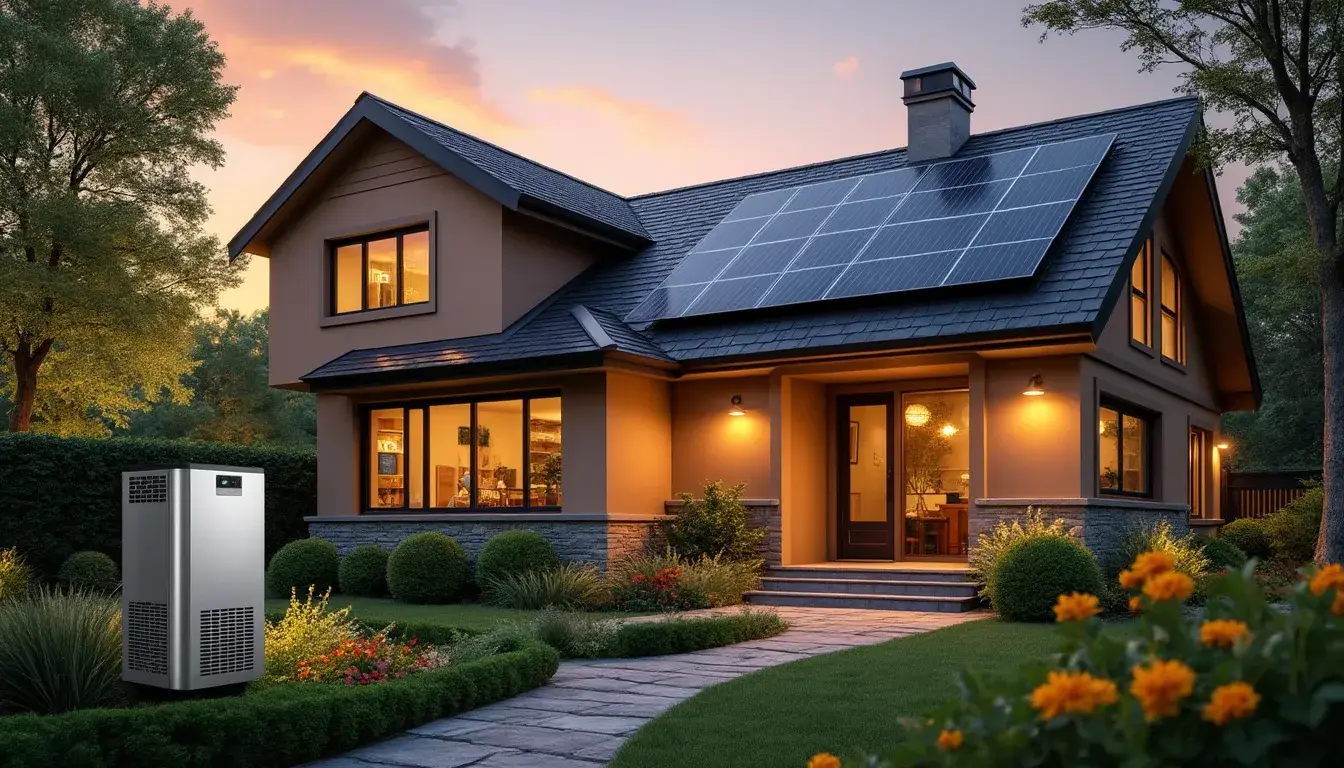
Micro-cogeneration: an efficient system to heat and power your home
4 min read
The challenges related to energy consumption and the reduction of greenhouse gas emissions are major issues for the future of our planet. In this context, micro-cogeneration appears as an innovative solution, both economical and ecological. This system not only heats a house but also produces electricity, while optimizing the use of available resources. Let's explore together the principles of this promising technology and the benefits it offers to households.
The fundamental principles of micro-cogeneration
Micro-cogeneration, or micro-CHP (Combined Heat and Power), is defined as a system that simultaneously generates heat and electricity from a primary energy source, often natural gas. Unlike a conventional system where heat and electricity are produced separately, micro-cogeneration valorizes the residual heat generated during electricity production. This allows for a total efficiency that can range between 80% and 90%.
The implementation of this technology at the residential level has been a technical challenge, but significant advances have led to compact devices, tailored to the specific needs of homes. Thanks to micro-cogeneration, users can achieve significant energy savings while contributing to environmental preservation.
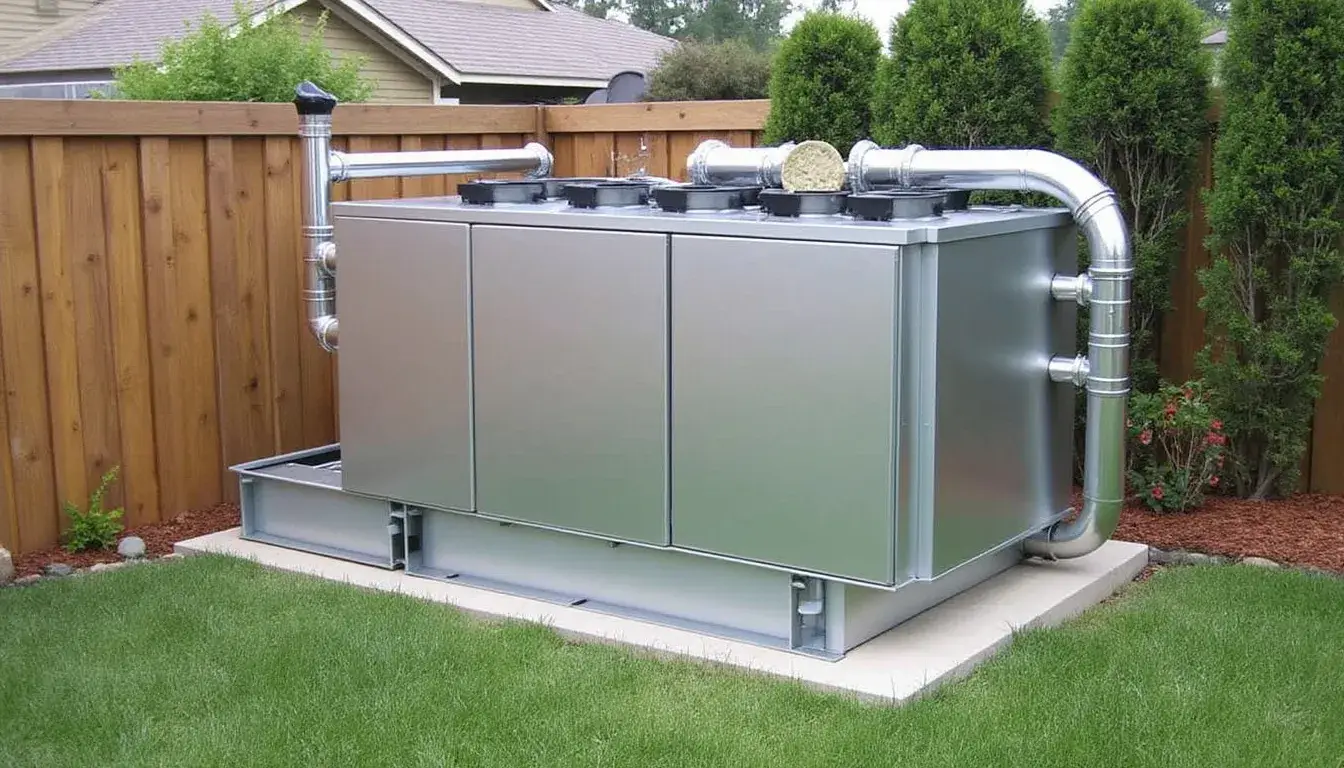
Operation of a micro-cogeneration system
A micro-cogeneration system generally consists of two essential components: a generator and a heat distribution unit. The generator converts the energy of natural gas into electricity, while the produced heat is distributed throughout the dwelling. This configuration allows for meeting a household's energy demand while maximizing energy efficiency.
Practically, when the machine operates, it produces electricity that can be consumed directly by household appliances. In case of surplus, the electricity can be sold back to the grid, thus providing additional income for the household. This mechanism is particularly interesting in the current context where energy prices are constantly changing, pushing households to seek more economical alternatives.
The different types of micro-cogeneration technologies
There are several technologies that can be used for micro-cogeneration. Among them, we find the hydrogen fuel cell, which uses a chemical reaction between hydrogen and oxygen to produce electricity and heat. This technology has the advantage of emitting little CO2, thereby improving environmental impact compared to a conventional system.
Micro-turbines: These small turbines can be used for cogeneration, converting natural gas into energy in the form of electricity and heat.
Biomass generators: Use organic materials as an energy source, helping to reduce greenhouse gas emissions.
Fuel cells: Offer a clean and efficient alternative, particularly in areas where hydrogen can be produced from renewable sources.
The economic implications of micro-cogeneration
The initial cost of a micro-cogeneration installation may be higher than that of a traditional boiler, but the savings made on energy bills can quickly offset this investment. Eric Guyer, CEO of Climate Energy, explains that a household can save up to $700 per year on its electricity bills by using a micro-CHP system.
Advancements in heating technology, with players like EDF, Engie, and TotalEnergies, are helping to make this technology accessible to the general public. Thanks to innovations and competition among energy suppliers, the price of micro-cogeneration installations could decrease in the coming years, making this solution even more attractive.
Type of system | Initial cost (in €) | Annual savings (in €) | Environmental impact |
|---|---|---|---|
Micro-cogeneration boiler | 8,000 - 15,000 | 700 | Reduction of CO2 emissions |
Hydrogen fuel cell | 10,000 - 20,000 | 800 | No emissions while operating |
Micro-turbine | 7,000 - 12,000 | 600 | Significant reduction of greenhouse gases |
The financial assistance available to promote adoption
To encourage the installation of micro-cogeneration systems, several aid mechanisms exist, such as:
Tax credit: This tax advantage helps reduce the installation cost of cogeneration heating systems.
Local subsidies: Some municipalities offer programs to encourage households to invest in renewable technologies.
Energy supplier assistance: Companies like Dalkia, Solaire Direct, and GreenYellow provide interesting financing solutions for micro-cogeneration installations.
The environmental benefits of micro-cogeneration
Adopting a micro-cogeneration system represents not only an economic choice but also a judicious environmental choice. Indeed, these systems contribute to reducing greenhouse gas emissions and promote an energy transition towards more sustainable sources.
By limiting dependence on fossil fuels, micro-cogeneration plays a crucial role in protecting natural resources and combating climate change. By 2025, with a growing awareness, more and more households are expected to turn to this solution.
Examples of micro-cogeneration applications
Micro-cogeneration is already a reality in many countries. In the United Kingdom, more than a thousand households use this technology, while in Japan, nearly 30,000 homes are equipped with similar systems. These experiences demonstrate the growing interest in micro-cogeneration, which allows for energy savings while reducing the carbon footprint of households.
Reflections on the future of micro-cogeneration
With the rise of environmental concerns and the increasing costs of traditional energy sources, micro-cogeneration can become a key component of energy transition strategies. Encouraging households to adopt these new technologies must involve raising awareness of the economic and environmental benefits they offer.
FAQ about micro-cogeneration
What is micro-cogeneration? Micro-cogeneration is a system that simultaneously generates heat and electricity from a primary energy source.
What are the advantages of micro-cogeneration? It allows savings on energy bills, produces renewable electricity, and reduces carbon footprint.
Are there any financial aids available? Yes, there are tax credits and local subsidies to encourage the adoption of micro-cogeneration.
How does a hydrogen fuel cell work? It uses a chemical reaction between hydrogen and oxygen to produce electricity and heat, with little or no emissions.
With this technology, the future of heating systems could transform profoundly, facilitating a sustainable and responsible energy future for all.