How to choose between a wood stove and a pellet stove: the essential criteria
3 min read
In a world where environmental and economic concerns are becoming increasingly important, the choice of heating system becomes crucial. In 2024, many households are turning to options such as wood and pellet stoves, which offer not only remarkable performance but also a reduced carbon footprint. This article aims to review the main criteria to consider to help you choose between a traditional wood stove and a pellet stove, in order to best meet your needs and those of your household.
The pros and cons of wood stoves
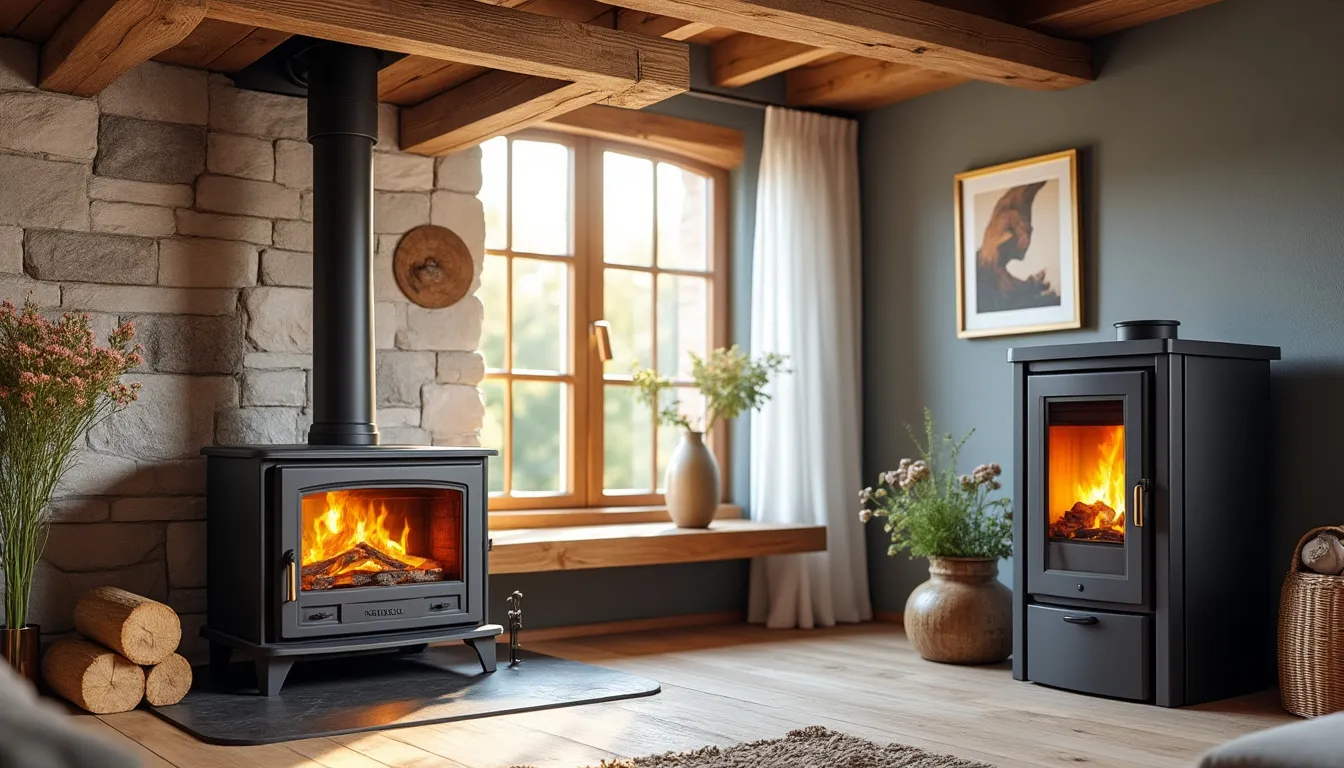
The wood stove, whether it’s a Godin, Deville, or Invicta model, offers many advantages that appeal to users. However, this traditional solution also has disadvantages that are important to consider.
Advantages of wood stoves
Reduced fuel costs: Wood logs are often cheaper than other heating sources.
Pleasant heat: The warmth emitted by a wood stove is soft and comforting, creating a cozy atmosphere in your home.
Positive environmental impact: When the wood comes from sustainably managed forests, its use can be considered carbon neutral.
Energy independence: Unlike fossil fuels, wood is a renewable and regenerable resource.
Disadvantages of wood stoves
Log storage: You need to have storage space for the logs you use, which can be restrictive.
Necessary maintenance: Regular cleaning is essential for maintaining proper operation.
Frequent refueling: Wood stoves require regular fuel additions, which can be less convenient.
The benefits of pellet stoves
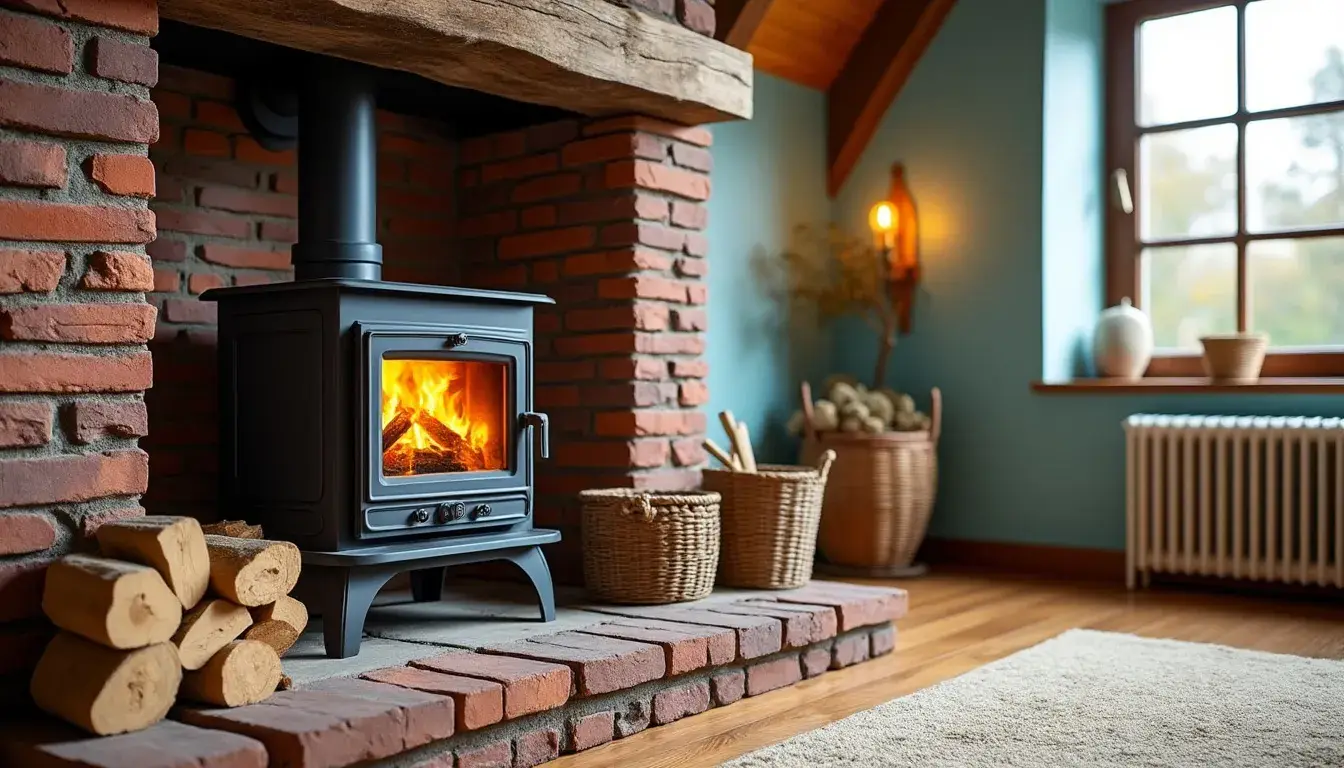
Pellet stoves, such as those offered by Rika, Haas + Sohn, or Austroflamm, have gained popularity in recent years thanks to their modern features and ease of use.
Advantages of pellet stoves
Automation: Many models offer automatic feeding systems that allow for effortless operation.
High energy efficiency: Pellet stoves have a high thermal efficiency, making them very effective for heating your spaces.
Low ash production: Pellets produce less residue than wood, reducing cleaning efforts.
Heat control: You can easily adjust the desired temperature with an integrated thermostat.
Disadvantages of pellet stoves
High initial cost: They may require a higher initial investment than wood stoves.
Electricity requirements: Pellet stoves require an electrical connection for their operation.
Pellet supply: It's essential to ensure a regular supply of wood pellets, which can be a disadvantage in case of shortages.
Choosing criteria: wood or pellets?
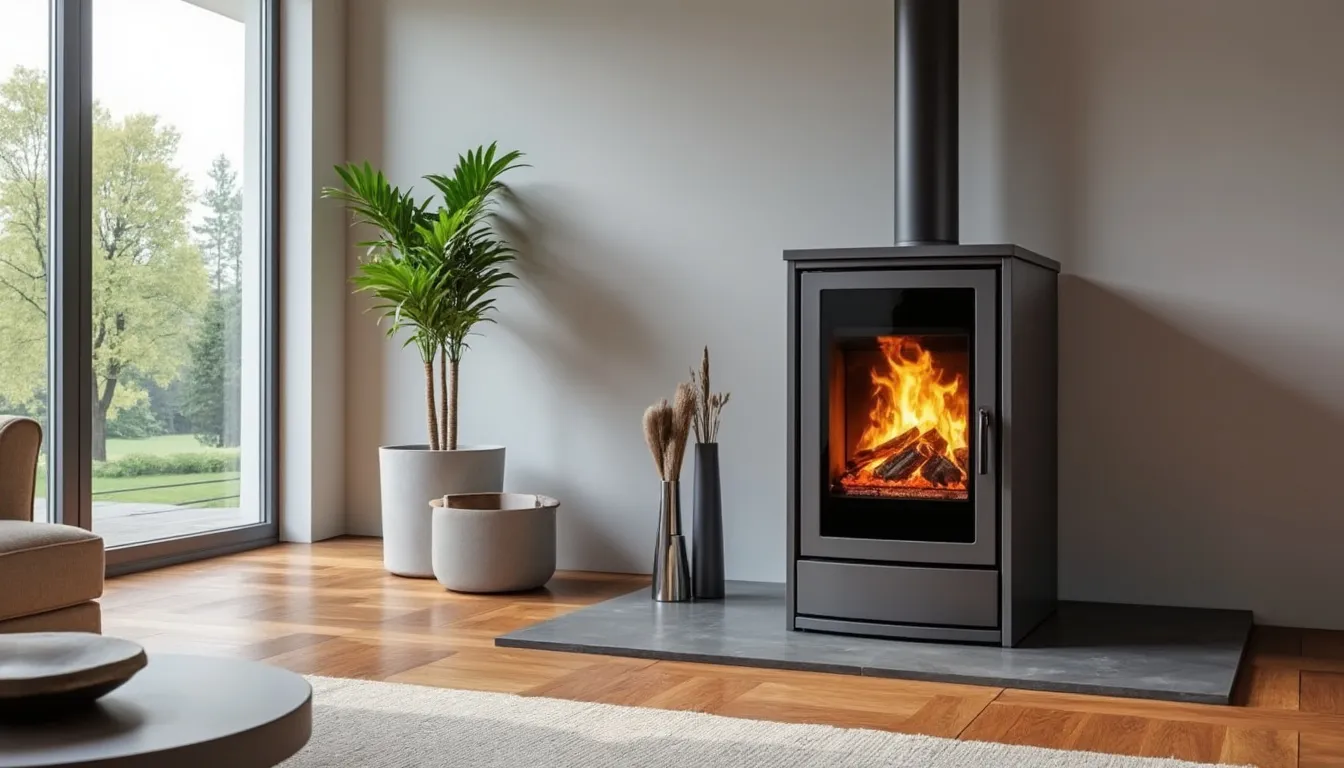
Before making a choice between a wood stove and a pellet stove, it is wise to weigh several essential criteria.
The size and insulation of the room are determining factors. Wood stoves are often more suitable for larger spaces, while pellet stoves are suitable for both small and large areas.
2. Budget
Establish an initial budget and an estimate of long-term operating costs. Account for both the purchase and maintenance costs for a comprehensive view.
3. Convenience and automation
Pellet stoves generally offer a more automatic operation, which is a plus in a fast-paced life. If ease of use is a priority, choose this option.
4. Environmental impact
Choose a model that meets environmental standards. Wood stoves such as the Cera and Stuv models offer ecological performance from renewable resources.
5. Availability of fuels
Ensure the availability of logs or pellets in your area. This could influence your final choice.
Criterion | Wood stove | Pellet stove |
|---|---|---|
Initial cost |
| High |
Efficiency | Moderate | High |
Convenience | Low | High |
Environmental impact | Variable | Good |
Fuel sources | Local | Regional |
Conclusion: what solution for your home?
The choice between a wood stove and a pellet stove will primarily depend on your personal needs, budget, and the characteristics of your home. Each of these options offers unique advantages and can contribute to efficient heating while respecting the environment. It is therefore important to weigh all these considerations carefully before making your choice.
FAQ
1. What is the lifespan of a wood or pellet stove?
On average, a well-maintained stove can last between 15 and 25 years.
2. What financial assistance is available for the purchase of a stove?
Many aids such as tax credits or local subsidies exist to encourage the installation of wood or pellet boilers.
3. Is the installation complicated?
Most models require professional intervention to ensure their safety and compliance with standards.
4. How to maintain a wood or pellet stove?
An annual cleaning and regular removal of ashes are essential to ensure proper operation.
5. What are the risks associated with these heating systems?
The main risks involve fires and carbon monoxide poisoning, hence the importance of adhering to installation and maintenance standards.