Geothermal Energy for Single-Family Homes: Sustainable Heating Installation Guide
4 min read
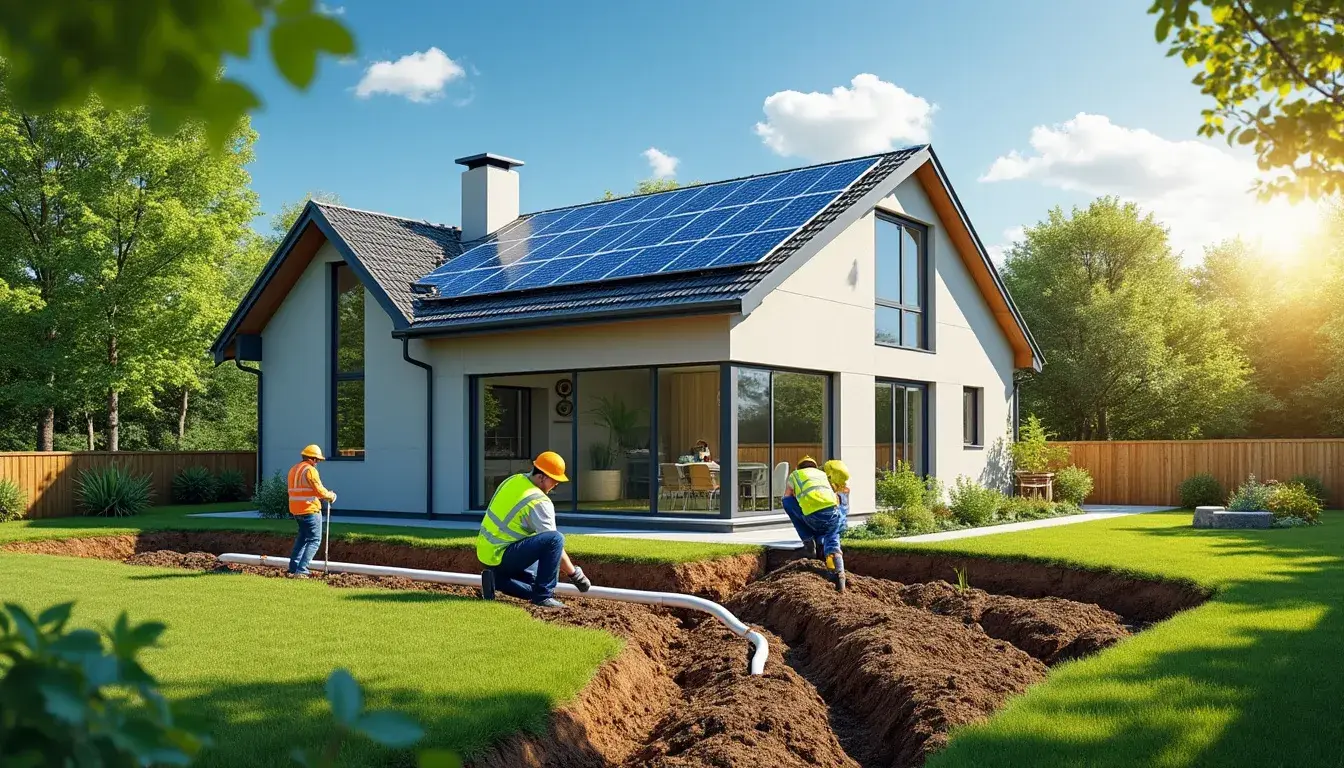
Geothermal energy presents itself as an innovative and environmentally friendly solution for heating individual homes. At a time when energy bills continue to rise, opting for a system that uses the natural heat from the ground to ensure thermal comfort year-round seems to be a no-brainer. This comprehensive guide offers an overview of the main aspects of geothermal installation, covering various available technologies, financial aids, and practical tips for succeeding in your project. In the current ecological context, it is time to turn to sustainable and economically advantageous solutions.
Understanding Geothermal Energy: A Natural Energy Source at Your Fingertips
Have you ever wondered how the heat from the ground could transform your home into a warm refuge while reducing your energy costs? Geothermal energy is based on simple yet effective scientific principles. At just 60 centimeters deep, the soil temperature varies between 12 and 14 °C, providing a constant source of heat year-round.
The Working Principle of Geothermal Energy
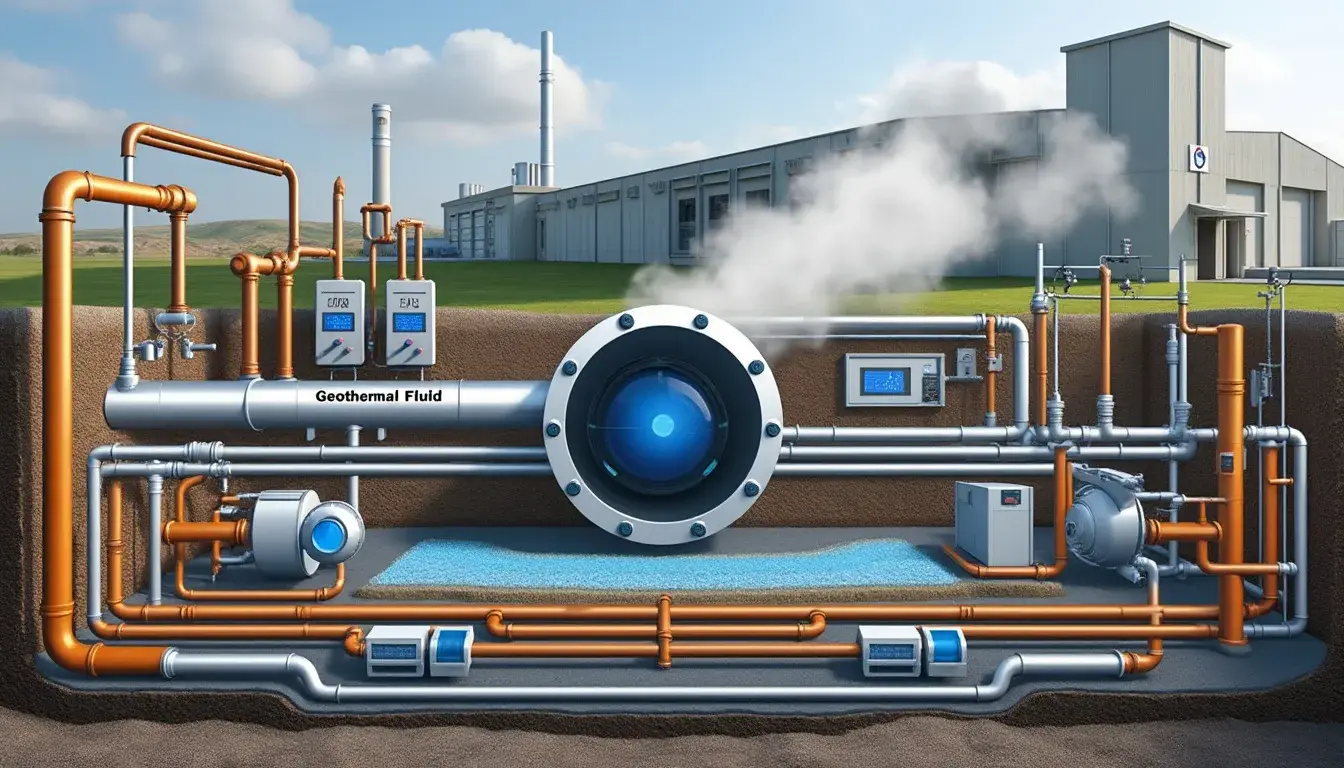
Geothermal energy exploits this natural phenomenon to provide economical heating and cooling through a heat pump system. Here are the three essential steps to understand its operation:
Heat capture: Pipes buried in the ground transport a heat transfer fluid that captures the heat.
Energy amplification: A heat pump raises the recovered temperature, offering an exceptional efficiency that can be up to seven times the heat produced by the consumed energy.
Heat distribution: The accumulated heat is then distributed in your home via an appropriate heating system, such as underfloor heating.
Different Capture Solutions
Two main capture systems are available depending on your land configuration:
Type of capture | Depth | Estimated cost (€) | Environmental impacts |
|---|---|---|---|
Horizontal | 60-120 cm | 15,000 - 20,000 | Low impact, good for large areas |
Vertical | 50-200 m | 20,000 - 30,000 | Minimal impact, ideal for small plots |
Depending on your budget and available space, you can choose the installation option that suits you best. The vast majority of users agree that the cost is offset by the savings made on energy bills.
The Multiple Advantages of Geothermal Energy for Your Home
Let’s review the numerous benefits of using geothermal energy in individual homes.
Savings and Performance
By opting for a geothermal system, you achieve significant savings. Efficiencies can reach a coefficient of performance (COP) of 7, meaning that for every kWh of electricity consumed, you recover up to seven in heat. Known under brands like GeoFrance or WarmEarth, these systems allow you to reduce your energy consumption by 70 to 80%.
Annual savings: between €400 and €800 on your bills.
Lifetime: an installation can last up to 50 years.
Return on investment: It is anticipated to be around 7 years.
Comfort and Flexibility
Geothermal energy is not just a simple heating solution; its versatility also allows it to provide natural cooling in summer. The heat pump can reverse its cycle, expelling excess heat back into the ground. This means no separate systems to install or maintain, and more comfort in all weather:
Constant heating in winter
Soft cooling in summer
No unpleasant temperature fluctuations
An Ecological Choice
Investing in geothermal energy entails making a responsible choice for the environment. This energy is:
Without direct CO2 emissions
Avoids air pollution
Installation and Implementation: Key Steps
Successfully installing a geothermal system requires careful preparation.
Study and Sizing
Before any installation, conducting a prior study is crucial. This includes:
Site analysis: understanding the composition and technical constraints of your soil.
Complying with current regulations.
Administrative Procedures
Each project involves specific administrative procedures:
For horizontal sensors, a work declaration is required.
For vertical probes, consult regulations regarding drilling.
Installation Phases
The installation steps include:
Preparing the ground and soil study.
Executing excavation or drilling work.
Installing geothermal pipes or probes.
Commissioning the heat pump.
Involvement of a certified environmental guarantee professional (RGE) ensures quality and compliance.
Financial Aspects of Geothermal Heating: Investment and Profitability
Assessing the profitability of a geothermal installation is essential for those considering such a project.
Installation Costs
Installation costs can vary depending on several factors. Here’s an overview of typical costs:
Type of installation | Cost (€) | Lifetime (years) | Annual consumption (kWh) |
|---|---|---|---|
Horizontal geothermal | 15,000 - 20,000 | 20-25 | 4000-6000 |
Vertical geothermal | 20,000 - 30,000 | 20-25 | 2000-4000 |
Financial Aids and Funding
Several aid programs are available to lighten the initial investment:
MaPrimeRénov’: Aid up to €10,000 depending on income.
Energy Saving Certificates (CEE): Alternative bonus of €2,000 to €4,000.
Zero-interest loan: Repayment over a maximum of 15 years.
FAQ: The Most Frequently Asked Questions About Geothermal Energy
What depth is needed for a geothermal installation?
For horizontal sensors, it requires between 60 and 120 cm. For vertical ones, between 50 and 200 m.What are the energy savings with a geothermal pump?
You can achieve savings of 70 to 80% on your heating bills.What are the disadvantages of geothermal energy?
The initial investment is significant, and excavation work is often necessary.
By choosing geothermal energy, you are opting for sustainable and economical heating. Whether for building or renovating, exploring your options and harnessing the best of the natural energy from our ground is a step toward a greener future.