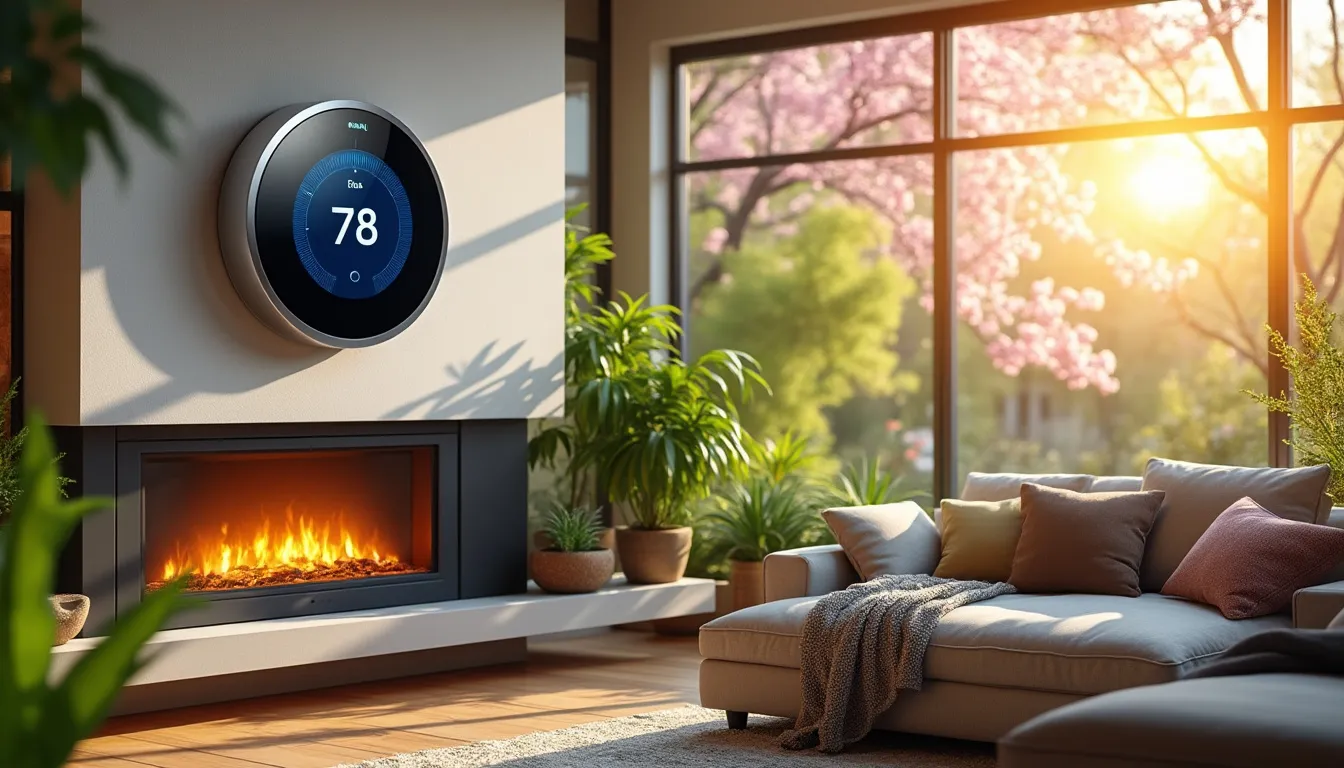
Optimize your low consumption heating in spring to make savings
5 min read
With spring settling in, it's the perfect time to think about optimizing your low-energy heating system. Every action counts and can help reduce your bills while preserving the environment. In this article, we will discover together a multitude of practical tips, ranging from simple adjustments to suitable equipment choices, to help you fully enjoy this change of season while achieving significant savings.
Adjust your temperature for heating savings
One of the first steps towards heating savings is to lower the temperature in your home. One degree less on your thermostat can reduce your heating bill by 7%. At this time when temperatures start to warm, it is wise to decrease the ambient temperature. Instead of opting for excessive heat, consider alternatives such as wearing a light sweater. Think about setting your thermostat for a comfortable temperature of 19°C in the main rooms and lowering the temperature a bit during the hours of the day when no one is at home.
The essential role of a connected thermostat
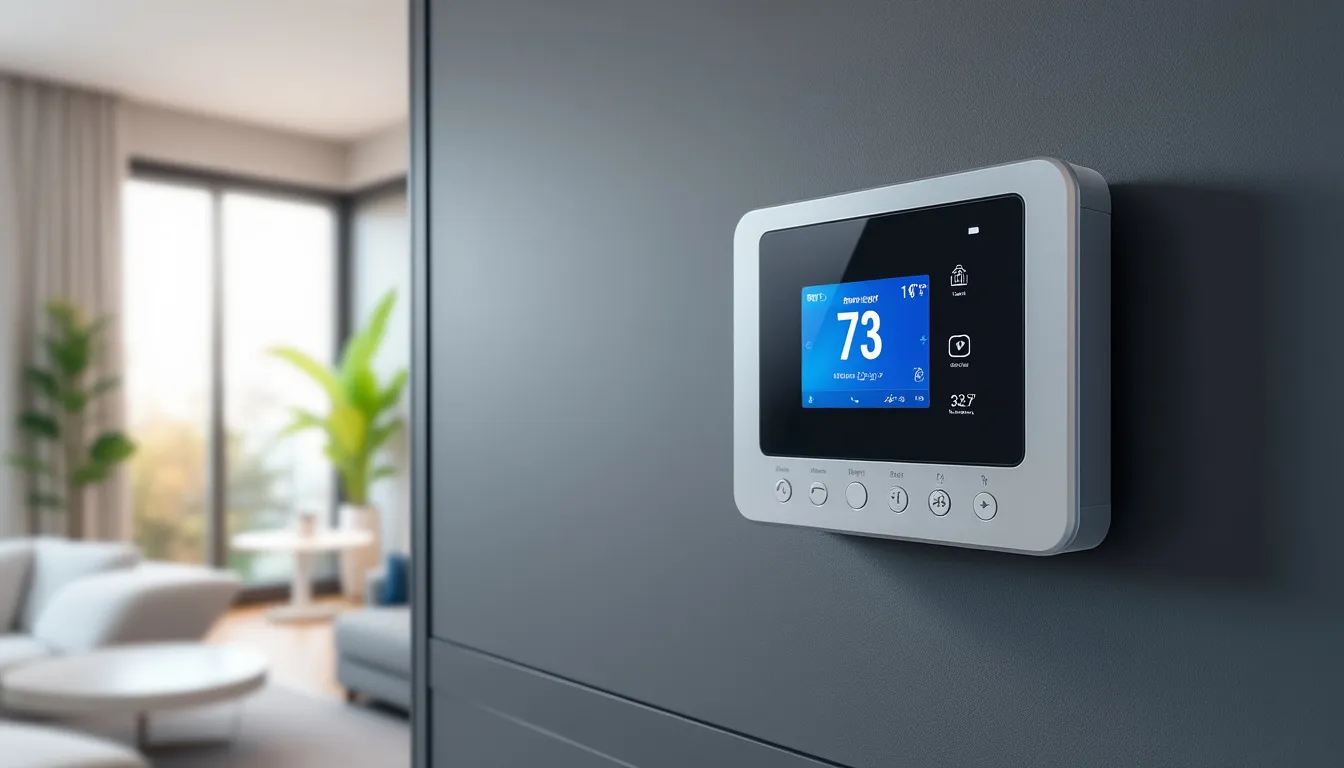
To manage your heating more efficiently, using a connected thermostat is a major asset. This device allows you not only to program heating time slots but also to control it remotely. In case of absence, the thermostat can automatically lower the temperature, and some advanced models can detect an open window to stop heating. This type of tool can really make a difference in your heating bill and in your comfort of living.
Effective programming and monitoring of your habits
By programming the heating in harmony with your schedule, you will further optimize your consumption. For example, set your thermostat to turn on before you wake up and decrease it in the evening when activities conclude. This will require a small effort on your part to adjust it to your daily schedule, but the savings gathered are well worth it.
Maintenance and performance of your heating system
To ensure your heating system operates optimally, regular maintenance is essential. Good maintenance means that your devices do not consume more than they should. For example, a poorly maintained boiler can consume up to 15% more than necessary, thus increasing your bills. Be sure to have your equipment checked at least once a year, especially if you are using an oil or gas system.
Regularly bleed your radiators
Another often-overlooked aspect is the bleeding of radiators. At least twice a year, remove the air from your radiators to ensure they function more efficiently. This will allow for even heat distribution and the elimination of cold spots.
Invest in efficient equipment
If your heating installation is old, consider investing in modern, efficient devices. Brands like Viessmann, Dimplex, and Atlantic offer boilers and water heaters that consume less while providing the same heat. By replacing an old electric radiator with inertia models, like those from Weber or Butagaz, you benefit from long-term profitability.
Type of equipment | Energy efficiency | Recommended brands |
|---|---|---|
Condensing boiler | 85-100% | Viessmann |
Inertia radiators | Up to 95% | Dimplex, Weber |
Heat pumps | 300%+ (COP) | Atlantic |
Optimize insulation to retain heat
Good insulation is key to maintaining a pleasant temperature while reducing heating needs. For those who are renters, it can be difficult to undertake major renovations. However, know that even small improvements can multiply the efficiency of your heating system. Think about simple solutions such as caulking windows or installing thermal curtains.
Assess heat loss risks
Identify areas in your home where you notice heat loss. Old windows, poorly insulated walls, and even doors can be critical points. A simple thermal diagnosis will help you identify the weaknesses of your home. You can take advantage of government grants for improving thermal insulation to encourage renovations.
Main insulation works to consider
Insulation of attics to prevent heat leaks in what is often the warmest part of your home
Insulation of exterior walls to prevent the cold from entering in winter
Replacement of single-glazed windows with double glazing, or installing an insulating film for existing windows
Type of heat loss | Possible solutions |
|---|---|
Single-glazed windows | Double glazing or insulating films |
Uninsulated roof | Attic insulation |
Exterior walls | Insulation from the outside or inside |
Responsible consumption and eco-friendly actions
We all have a role to play in reducing our energy consumption. Small actions in daily life can make a big difference. For example, turning off your radiators when you air out your house, or avoiding leaving doors open in rooms that you rarely use, such as the garage or guest room, are simple behaviors that contribute to savings.
Identify and address drafts
Inspect your home for drafts. Often, spaces around doors or windows let in cold air, reducing the efficiency of your heating. By placing a draft stopper or installing new seals, you can significantly reduce these losses.
Daily actions to adopt
Ventilate the house for 5 to 10 minutes a day without turning on the heating
Use shutters to create a thermal shield at night
Conversely, open the curtains during sunny days to take advantage of natural heat
Avoid energy-intensive auxiliary appliances
While it is sometimes perfectly acceptable to use auxiliary heating, choose wisely. Opt for recent or inertia devices, which are often more economical in terms of consumption. To stay informed, do not hesitate to consult resources such as those provided by EDF or Engie on energy savings.
Heating device | Type | Average consumption |
|---|---|---|
Electric toaster | Traditional electric heating | 1500W |
Inertia radiator | Modern electric heating | 750-1000W |
Gas heating | Gas heater | 10-40% less energy-consuming |
FAQ on optimizing low-energy heating
Why is it important to lower the heating temperature by one degree?
Energy conservation is crucial in managing your consumption. By reducing the temperature by 1°C, you can potentially reduce your energy consumption by up to 7% on your bill.
What are the most efficient devices on the market?
Condensing boilers and inertia radiators, like those from brands such as Viessmann and Dimplex, are among the most efficient and energy-saving available today.
How do I maintain my radiators to ensure their efficiency?
You should regularly bleed your radiators to eliminate the air that accumulates and prevents adequate heat distribution. Annual maintenance of your boiler or heating system is also essential.
What role does insulation play in heating consumption?
Poor insulation allows heat to escape, requiring more energy to maintain a pleasant temperature. Improving your home's insulation through targeted renovations can therefore make a significant difference in your heating bills.
How can I reduce drafts in my home?
Inspecting window and door seals, as well as installing thermal curtains, can help to reduce drafts. Using draft stoppers and checking unused chimneys are also effective methods for retaining heat.