
Understanding sick building syndrome: solutions to improve your heating and ventilation
4 min read
In a world where we spend an average of more than 90% of our time indoors, the quality of the air we breathe becomes crucial for our health and well-being. However, sick building syndrome (SBS) represents a major challenge affecting many people, especially in poorly ventilated buildings. Symptoms such as headaches, fatigue, and irritations may seem benign, but they often signal poor indoor air quality. So, how can we improve our living conditions while considering the issues of heating and ventilation? This article explores SBS, its causes, effects, and solutions that allow for a healthy indoor environment.
What is sick building syndrome?
Sick building syndrome, or SBS, is a term that refers to the collection of health and comfort problems caused by time spent in certain buildings. Recognized by the World Health Organization, this issue particularly affects those who live or work in poorly ventilated and poorly designed premises.
In countries like Australia, Europe, and America, more and more people are feeling the effects of SBS. A feeling of discomfort or fatigue often sets in, creating confusion regarding the cause, especially when it is difficult to link these sensations to their immediate environment.
Common symptoms of SBS
The symptoms commonly reported can vary from person to person, but generally include:
Headaches
Eye, nose, or throat irritation
Dry cough
Dry or itchy skin
Dizziness and nausea
Difficulties concentrating
Persistent fatigue
Increased sensitivity to odors
Understanding the origins of sick building syndrome
The causes of SBS are often linked to insufficient ventilation and compromised air quality. Indeed, these factors can significantly alter our comfort and affect our health.
According to a study by CSIRO, the cost of poor indoor air quality in Australia could reach 12 billion dollars per year, highlighting the extent of the problem. Reports from the U.S. Environmental Protection Agency (EPA) also emphasize that indoor air pollution is among the most significant environmental risks to health.
Categories of indoor air contaminants
Contaminants present in indoor air can be grouped into two main categories:
Type of contaminant | Examples |
|---|---|
Chemical | Cleaning products, synthetic fabrics, construction materials. |
Biological | Bacteria, mold, pollen, pet dander, dust mites. |
These contaminants can sometimes be difficult to detect; however, they can lead to serious long-term health consequences. To avoid these undesirable effects, it is essential to address the ventilation and air quality in our living spaces.
Improving ventilation with effective solutions
To combat SBS, a crucial point remains the improvement of ventilation. This involves effective equipment and appropriate maintenance practices.
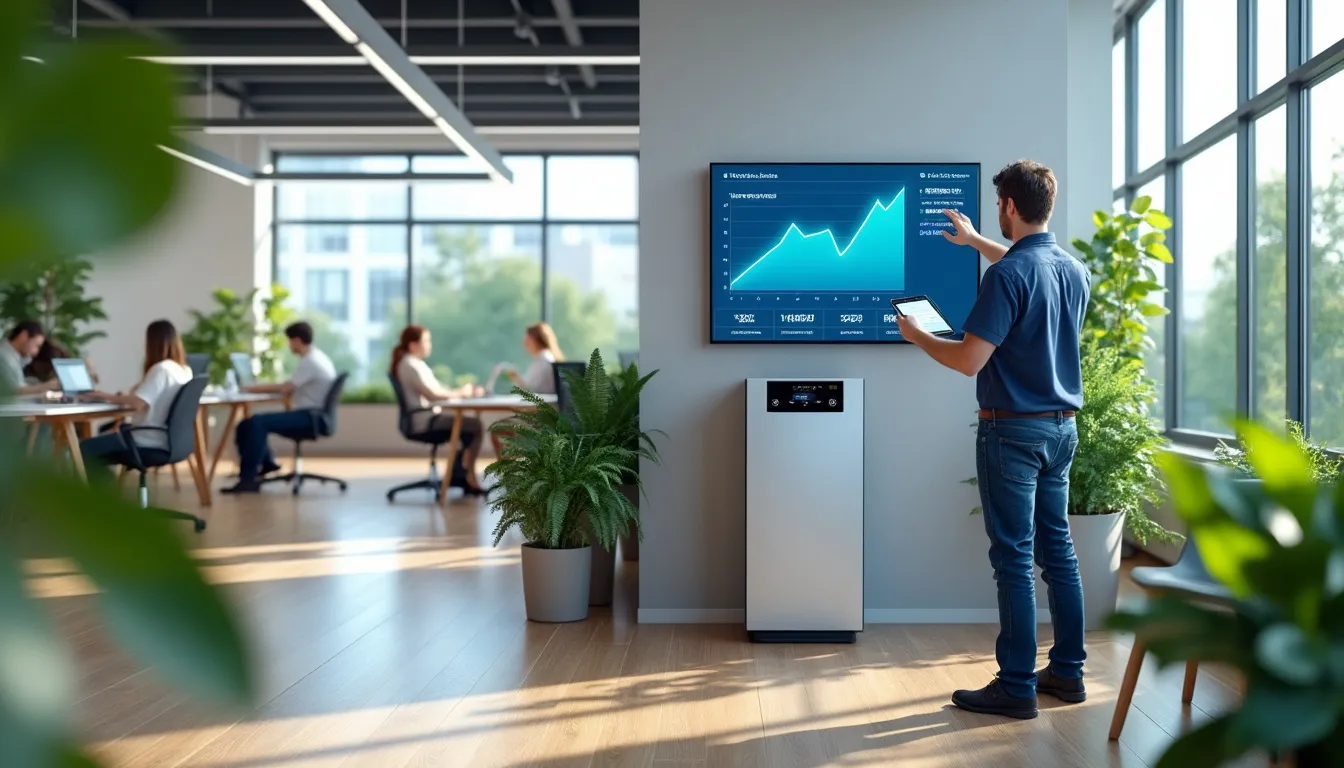
Why choose evaporation cooling?
Evaporation cooling stands out as an effective solution to improve ventilation. By providing 100% fresh air, it helps maintain a healthy air quality. This technology is especially suited for hot climates, offering a more sustainable alternative compared to traditional air conditioning. Here are some advantages:
Eco-friendly cooling: uses less energy, thereby reducing the carbon footprint.
Improved comfort: conditions air while maintaining optimal humidity levels.
Flexibility of use: allows windows and doors to be opened even in the middle of summer.
Regular maintenance of ventilation systems
To ensure the effectiveness of your ventilation, regular maintenance is fundamental. Here are some essential recommendations:
Clean the filters of heating and cooling systems at least once a month.
Remove dust accumulated in the ventilation ducts.
Check vents and ensure they are not blocked.
Regularly inspect the condition of equipment to prevent operational issues.
Optimizing air quality: other practical solutions
Improving ventilation is essential, but other solutions can also contribute to the quality of the air in your interior.
Using purification systems
The integration of air purification systems can have a significant impact on indoor air quality. Some of these systems are equipped with HEPA filters and advanced technologies that effectively eliminate contaminants. By investing in eco-friendly equipment, you contribute to creating a healthier living environment.
The benefits of indoor plants
Incorporating indoor plants can also improve air quality while adding a touch of greenery. Some plants, like ivy or snake plants, are known for their air-purifying properties.
Frequently Asked Questions about sick building syndrome
Question | Answer |
|---|---|
What causes sick building syndrome? | Poor ventilation and degraded air quality are the main causes of SBS. |
What are the symptoms of SBS? | Headaches, respiratory irritation, fatigue, and more. |
How can indoor air quality be improved? | Use purification systems, improve ventilation, and introduce indoor plants. |
In conclusion, awareness of indoor air quality is more crucial than ever. Combining adequate ventilation with modern and eco-friendly heating systems represents a step towards healthy and comfortable living spaces. Engaging a professional, like me, Paul Leclerc, can also help you identify the best options for your specific situation.